
Best High-Impact Sports Bras for a Large Bust
A running-and-jumping-specific guide to multidirectional control, hybrid support, locked straps, sweat-loaded recovery and gradual impact testing.
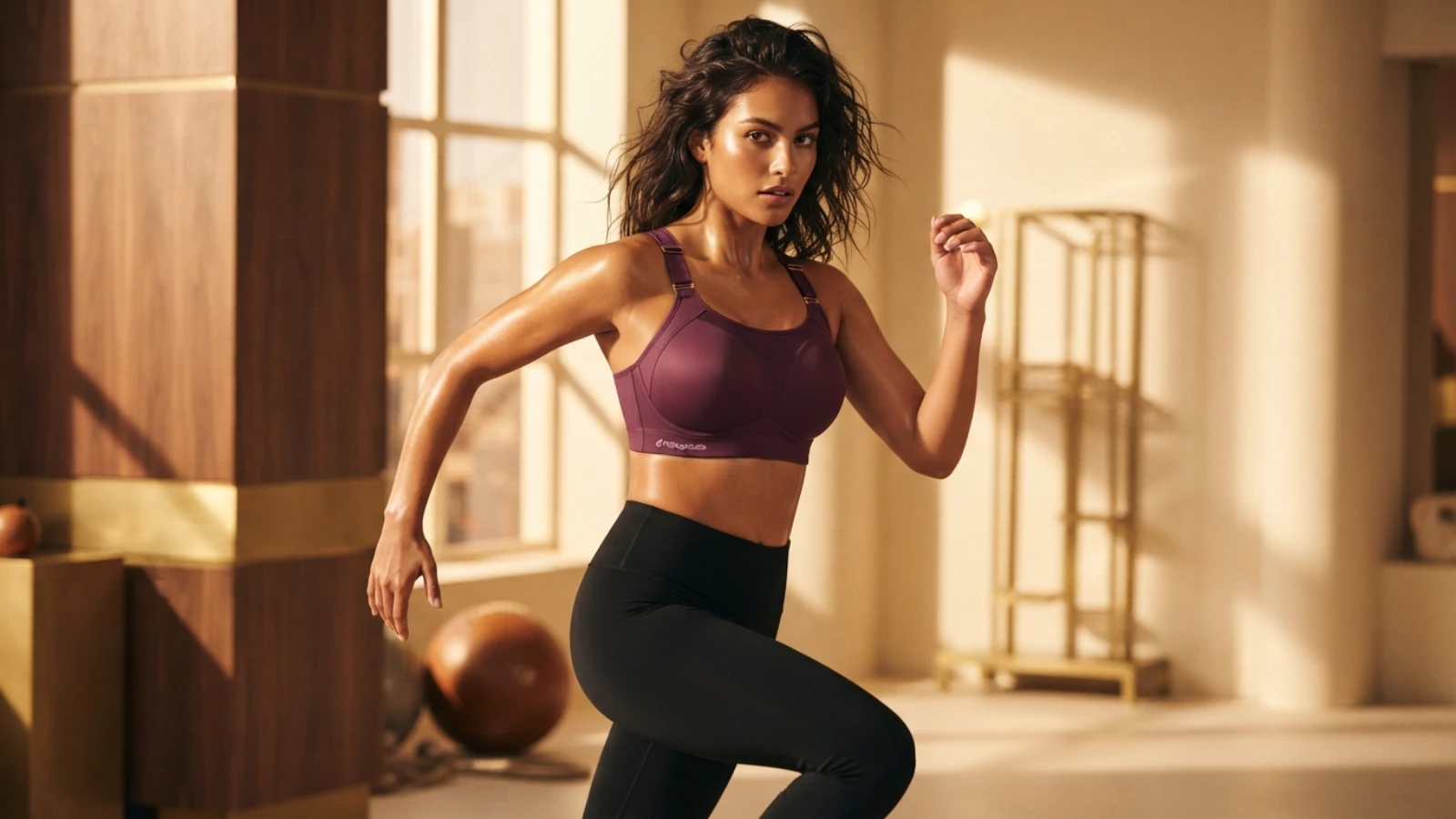
The 90-second high-impact baseline
- The band stays horizontal when straps are loosened slightly.
- Each breast remains inside its shaped cup without overflow or empty folds.
- The upper panel contains tissue without cutting into the neckline.
- Straps and sliders stay symmetrical during vigorous arm circles.
- You can take five full breaths and speak a complete sentence.
- A march and controlled light bounce cause no sharp pain, wire shift or tissue escape.
- Hooks or zippers remain guarded and do not rub during torso flexion.
Best high-impact sports bras for a large bust by construction
High-impact movement creates repeated acceleration in several directions. A plain compression panel may reduce outward motion but still allow tissue to move as one unit. A structured design adds individual cup containment, a stable lower anchor and an upper panel or overlay that limits motion without crushing the breast.
Bra-sized encapsulation-compression hybrid
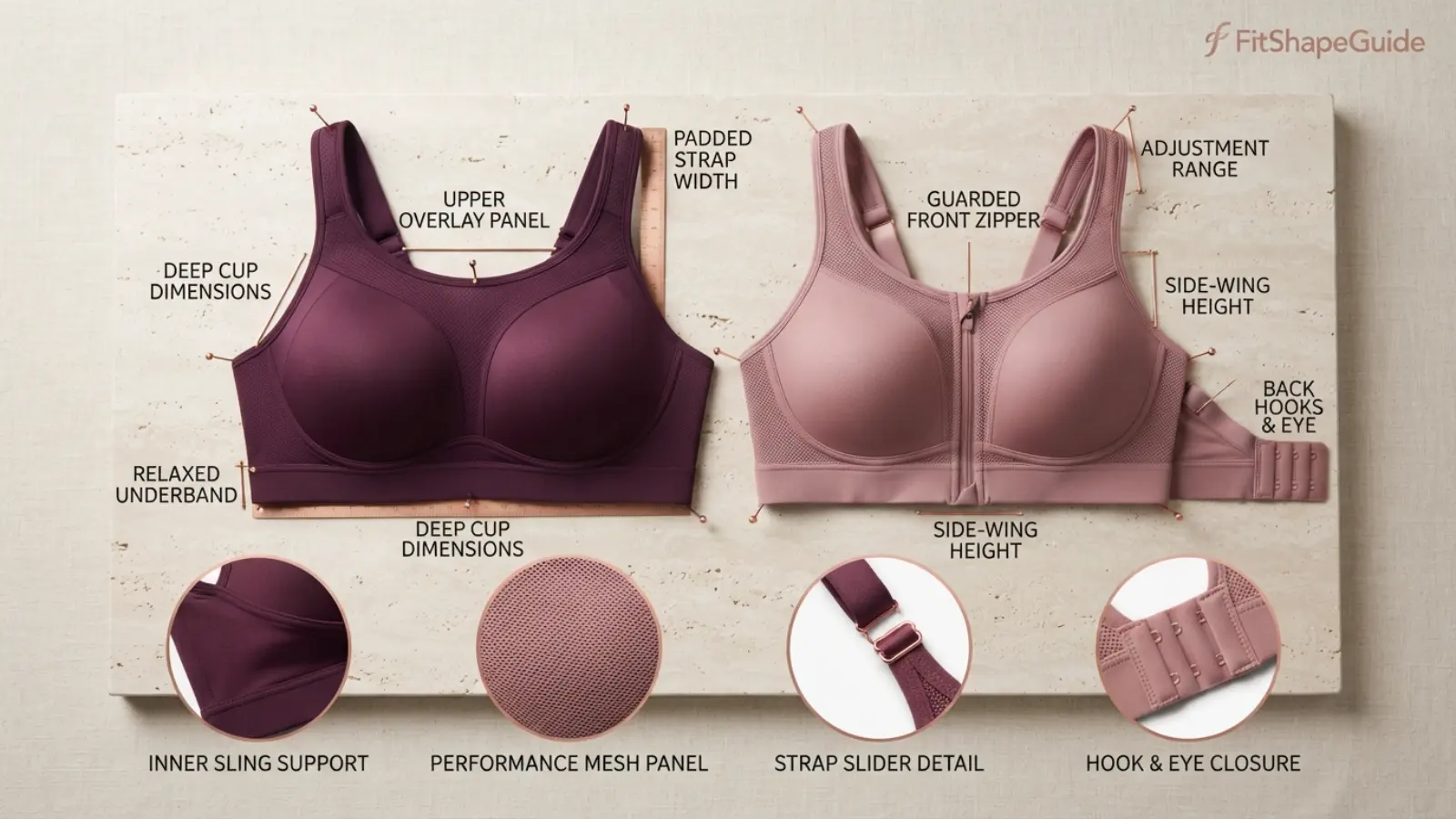
Best for: running and court sports requiring both separation and close control. Seek shaped cups beneath a stable overlay. Trade-off: the overlay must not flatten cups or restrict breathing.
Fully adjustable running bra
Best for: tuning band, cup and strap tension while preserving cup volume. Look for padded straps and secure hooks. Trade-off: more hardware creates more potential friction points.
Integrated double-layer control bra
Best for: a shaped inner bra plus attached outer control panel engineered as one garment. Trade-off: two integrated layers can trap heat and must dry fully.
High-neck cup-shaped performance bra
Best for: stronger upper-edge containment during jumping and direction changes. Trade-off: a high front cannot replace adequate cup depth or a stable band.
Secure front-close high-impact bra
Best for: easier dressing when a protected zipper or hook system has a backup lock. Trade-off: closure flex and skin contact need careful testing.
Wire-free multi-panel HIIT bra
Best for: high-energy classes when seamed cups, high sides and firm elastics replace wire. Trade-off: the pattern must provide depth rather than one flat compression panel.
The best high-impact sports bras for a large bust distribute control across several components. No single strap, zipper, wire or compression layer should carry the entire load.
Vertical, lateral and forward-back movement
Running includes repeated vertical acceleration, but arm swing, torso rotation and stride also create side-to-side and forward-back movement. Jumping and court sports add landing forces and rapid direction changes. A bra that feels stable during an up-and-down mirror bounce may fail during a turn or sprint.
Encapsulation controls each breast
Shaped cups surround tissue and reduce breasts moving as one mass. Cup depth, width and center separation need to match. Overflow, floating, folded lower cups or a center that pulls away show that the frame is not containing correctly.
Compression adds close control
An outer panel can reduce motion by holding the encapsulated cups closer to the torso. It should distribute pressure across a broad area. If breathing becomes shallow or tissue escapes at the neckline and underarm, the overlay is too small or the cups beneath are insufficient.
Upper containment reduces lift
A high neckline, adjustable upper panel or firm edge can limit upward movement. It must still allow a full breath and shoulder motion. Upper-edge tightness without lower cup depth often pushes tissue sideways rather than controlling it.
The band resists frame movement
The band is the foundation. It should remain level through arms overhead, torso rotation and jogging. A riding band can reflect loose tension, worn elastic or shallow cups pushing the frame away. Tightening straps will not reliably fix it.
| Movement direction | Helpful construction | Failure clue |
|---|---|---|
| Vertical | Upper panel, shaped cups, stable band | Neckline lift or band bounce |
| Lateral | High side wings, center separation | Side escape or cup rotation |
| Forward-back | Encapsulation plus controlled overlay | Cups pull away then rebound |
| Torso rotation | Secure back and strap anchors | Band twists or sliders creep |
| Landing | Full frame recovery | Wire shift, painful pressure or delayed settling |
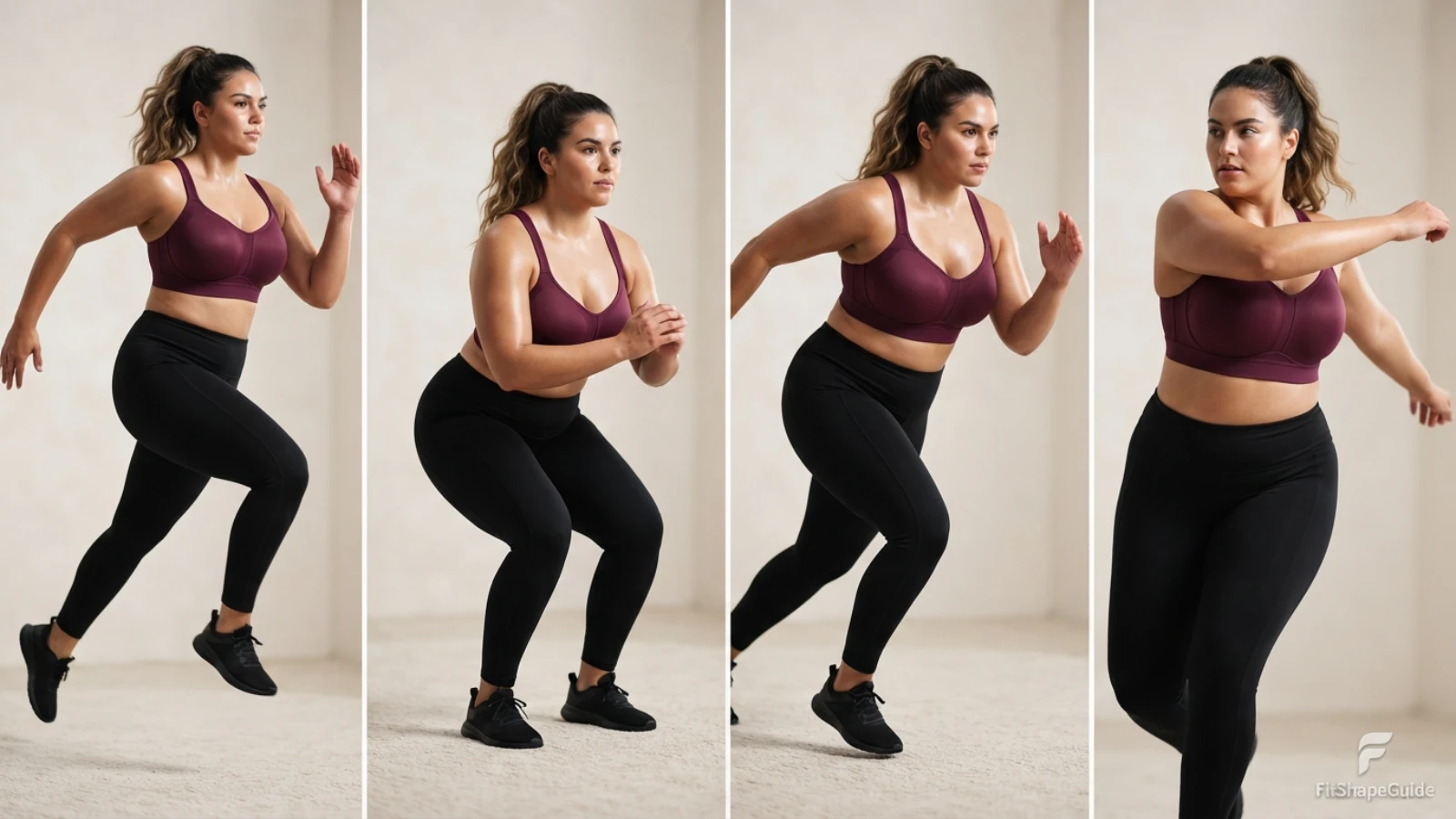
Band stiffness, cup depth and strap security
A high-impact bra may feel firmer than an everyday bra, but firmness should be distributed. The band anchors the frame, the cups create space, sides contain, the center separates or stabilizes, and straps position the upper edge. Painful tension in one component signals poor load sharing.
Band tension and breathing
The band should feel close on the loosest useful hook while allowing repeated deep breaths. Check front, side and back for a level line. A very rigid band may control motion but become intolerable as the ribcage expands during exercise. Never accept dizziness, chest pain or restricted speech as normal support.
Cup capacity before overlay tension
Set the breasts fully inside the cups before fastening any adjustable overlay. Lower-cup folding suggests excess depth or a shape mismatch; overflow suggests insufficient volume or coverage. The overlay should stabilize a fitting cup, not reshape a failing one.
Strap locking and anchor position
Adjustable padded straps spread pressure and let the wearer set upper containment. Sliders must hold their position under sweat and arm swing. Cross-back routes can reduce outward slip, but may increase neck pressure. Use only manufacturer-approved routes.
Wire and wire-free frames
A wire can stabilize the breast root when it surrounds tissue without poking. Wire-free high-impact designs rely on multi-panel cups, firm inner slings and strong elastics. Neither system is automatically superior. Wire pain, center pressure or distorted channels are fit failures.
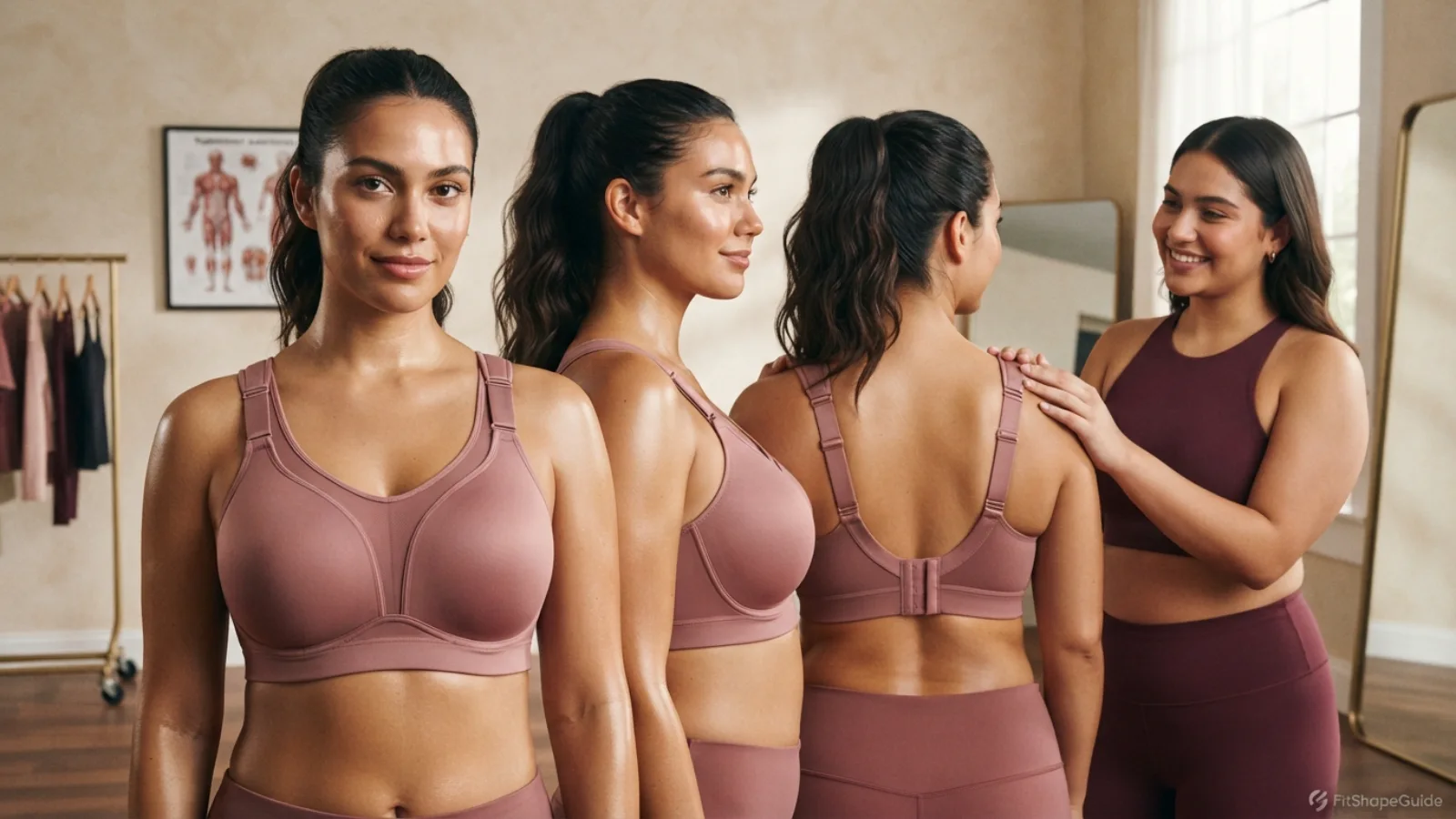
Running, jumping and HIIT test protocol
Set the band, cups, overlay and straps once. Record every later adjustment. Begin below the planned training intensity and progress only when the bra stays comfortable. Use safe movement appropriate to your health, experience and environment.
Step 1: breathing and shoulder baseline
Take five full breaths, speak a sentence, raise both arms and rotate the torso. The band should stay level and straps should not limit arm drive. Stop immediately if the bra restricts breathing or causes sharp pressure.
Step 2: brisk walk and gentle jog
Walk for several minutes, then jog briefly. Assess movement direction, not merely amount. Check whether cups rebound forward, sides allow escape, the band lifts or straps loosen. Comfortable control should continue as breathing rate increases.
Step 3: controlled hop and landing
If appropriate, complete a few small controlled hops or step-based alternatives. The bra should recover with the body rather than lag, shift or require resetting. A wire or zipper should not move on landing.
Step 4: lateral change and arm drive
Use a gentle side step and direction change. Swing the arms as in the activity. Check underarm friction, center stability and back rotation. Court athletes should also test the torso position used for serving, throwing or racquet movement.
Step 5: twenty-minute sweat-loaded check
Wear the bra through at least twenty minutes of the intended low-risk session. Before adjusting, inspect band position, cup containment, slider creep, chafing and breathing. Sweat increases weight and friction, so dry fitting alone cannot prove performance.
Step 6: removal
Confirm that the damp bra can be removed without dangerous shoulder strain. Front closures need a zipper lock or backup system and a full skin guard. Pullover designs need enough controlled stretch for safe removal while still recovering on the body.
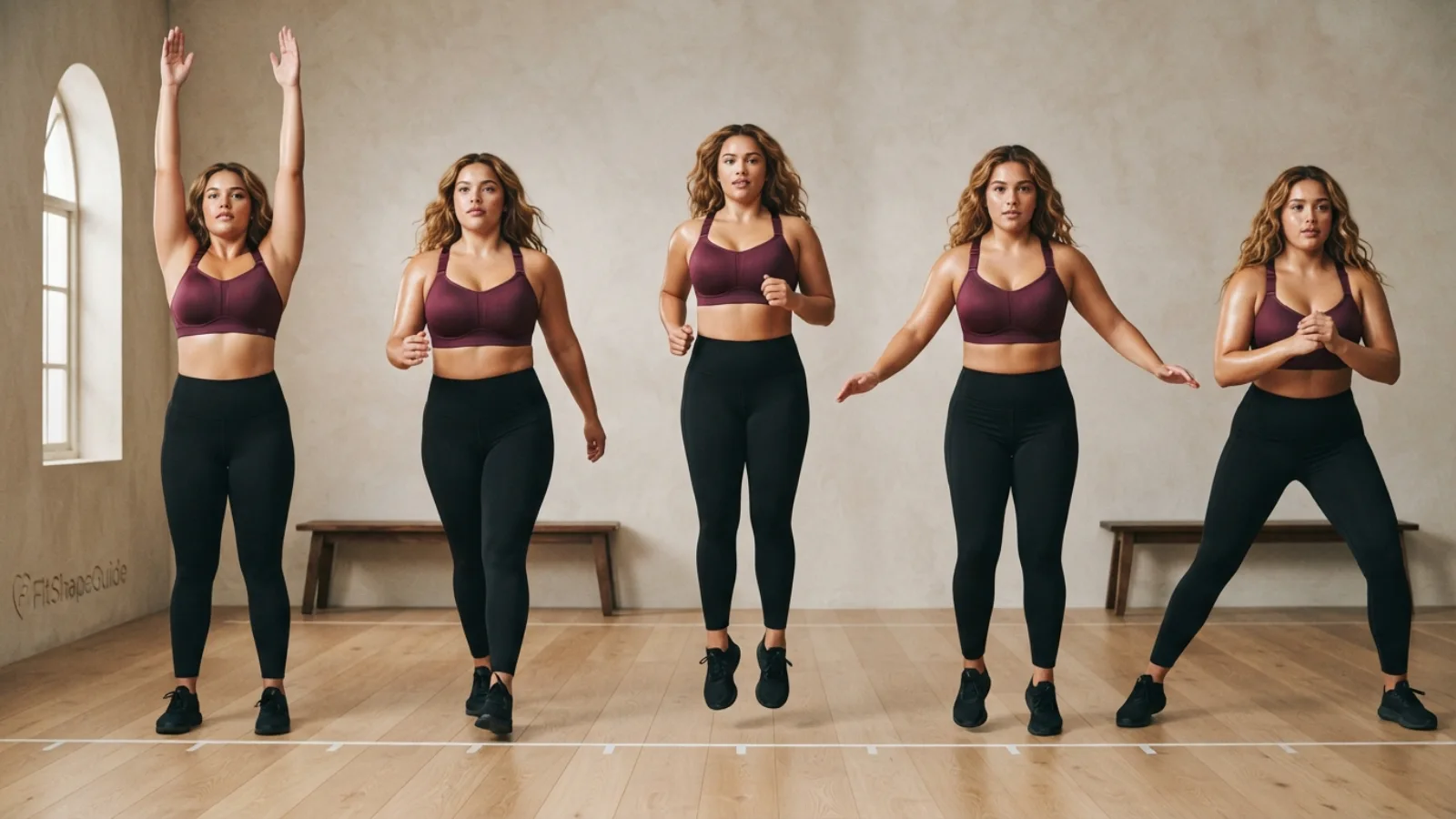
Fabric recovery, heat and chafing
High-impact bras often use multiple layers: shaped cup fabric, stabilizing mesh, foam, an outer overlay and strong elastic. These layers improve control but can hold heat and moisture. A support system must continue to recover when warm and damp.
Power mesh and stable knit
Power mesh can provide firm control with airflow, but its edges should remain soft under stretch. Stable technical knit supports cup shape and overlays. Fiber percentages do not reveal recovery, so review construction and real-session evidence.
Foam and moisture
Spacer foam may offer shape with better airflow than dense padding, but any foam can absorb sweat. Removable pads often fold or migrate during high impact. If included, they should stay smooth and follow laundering instructions.
High-friction zones
Inspect underarm bindings, band joins, strap anchors, center seams, zipper guards and hook panels. Chafing can appear only after thousands of repeated movements. A smooth seam that presses hard can still irritate as fabric becomes damp.
Care and rotation
Follow the label, fasten hooks when instructed and avoid heat or softener when prohibited. Rotate bras so elastic dries and recovers fully. Replace a bra when the band remains stretched, straps no longer hold, cups distort or support changes noticeably.
| Material detail | High-impact purpose | Check after sweat |
|---|---|---|
| Power mesh | Stable side/back control | Recovery and edge softness |
| Spacer cup | Shape with airflow | Drying and cup deformation |
| Outer overlay | Added multidirectional control | Breathing and edge pressure |
| Wide band elastic | Horizontal anchor | Rolling, ride and retained stretch |
| Padded strap | Pressure distribution | Slider creep and moisture |
| Zipper guard | Skin and closure protection | Coverage during flexion |
How to shop online for a high-impact sports bra
Useful listings disclose band-and-cup sizing, encapsulation and compression layers, intended activities, strap system, closure, materials, care and returns. A high-impact label without interior, side and back views provides little evidence.
Check whether the frame is adjustable
Band hooks, strap sliders and upper-panel adjustments can tune fit, but each needs enough range and secure hardware. Pullover bras may work when the size range and recovery are strong; generic letter sizing is less informative for large cup-to-band differences.
Inspect closure security
Back hooks should lie on a smooth backing. Front zippers need a fully seated base, top lock or backup closure and skin guard. Customer reports of opening or chafing deserve attention, but personal testing remains necessary.
Read activity-specific reviews
Prioritize reviews with band/cup size, purchased size, activity, duration and actual failure. “No bounce” is subjective. Reports of band position, cup escape, breathing, strap slip and chafing during a defined run are more useful.
Safe Amazon workflow
Before inserting a product module, verify the live product title, seller, size chart, high-impact construction, closure, materials, care, current return eligibility and recent evidence. Add the approved affiliate tag and disclosure. Never hard-code price, rating, coupon, review count, stock or delivery claims.
For lower-impact comparisons, link readers to the broader sports bra guide for a large bust.
Common high-impact fit problems
| Symptom | Likely cause | Better next step |
|---|---|---|
| Band rides or bounces | Loose band, worn elastic or shallow cups | Reassess band and cup together |
| Overflow above overlay | Insufficient cup or upper-panel capacity | Increase depth/coverage, not compression |
| Breathing feels restricted | Band or overlay too tight | Stop use and compare correct size/frame |
| Straps loosen while running | Slider creep or poor anchor geometry | Choose locking hardware or different route |
| Wire shifts on landing | Band, cup or root mismatch | Try correct wire geometry or wire-free frame |
| Underarm chafing | High edge, rough seam or side escape | Change edge shape and restore cup room |
| Front zipper presses/opens | Closure flex, small size or failed lock | Stop use; choose guarded secure closure |
Do not solve movement by layering random bras
Wearing two separate sports bras may increase compression but also traps heat, changes band and cup geometry and can restrict breathing. An integrated double-layer system designed and sized as one garment is different. Choose one correctly fitted high-impact frame before experimenting with extra layers.
Do not overtighten straps
Short straps may temporarily lift the upper edge, but they transfer load to shoulders and can pull the band upward. Stabilize the band and cups first. If the strap slider cannot hold an appropriate setting, the bra is not reliable for impact.
Do not accept pain as proof
Deep pressure, numbness, sharp breast pain, broken skin and restricted breathing are not successful motion control. Stop, reassess and seek professional advice when symptoms persist.
High impact needs controlled motion and full breathing
The best high-impact sports bras for a large bust combine shaped cups, controlled compression, a level band, high containment and locked adjustable straps. Test progressively from breathing to jogging, landing and direction changes, then assess sweat-loaded recovery. Keep the bra that reduces uncomfortable movement without pain, tissue escape or respiratory restriction.
Frequently asked questions
What is the best high-impact sports bra style for a large bust?
A bra-sized encapsulation-compression hybrid is a strong starting point because it combines individual cup containment with controlled outer support and a stable band.
Can a sports bra completely stop bounce?
No bra can guarantee zero movement for every person and activity. The realistic goal is reducing uncomfortable multidirectional motion while preserving breathing and comfort.
How tight should a high-impact sports bra be?
It should feel firm and remain level while allowing repeated full breaths and normal speech. Pain, numbness, dizziness or restricted breathing indicate a poor fit.
Is underwire better for high-impact exercise?
Not automatically. Correct wire can stabilize encapsulation cups, while multi-panel wire-free frames can also support well. Any wire must surround tissue without shifting or pain.
Are front-zip bras safe for running?
They can be when the cups and band fit, the zipper has a reliable lock or backup closure and a full guard protects skin. Test it through flexion and sweat.
Should I wear two sports bras for running?
Random layering can restrict breathing, trap heat and alter fit. A correctly sized high-impact hybrid or an integrated double-layer bra is a more controlled choice.
Why do my sports-bra straps loosen while running?
Slider creep, smooth strap elastic, poor anchor position or excess strap load may be responsible. Choose secure hardware and stabilize the band and cups first.
How do I test a high-impact bra at home?
Begin with breathing and arm motion, then progress to walking, brief jogging, controlled hops and direction changes only when safe. Keep tags attached and follow return terms.




One Comment