Best Athletic Jackets for a Large Bust
A construction-first guide to shaped chest room, stable zippers, mobile shoulders, weather layers and hem balance—without sizing the entire jacket around one measurement.
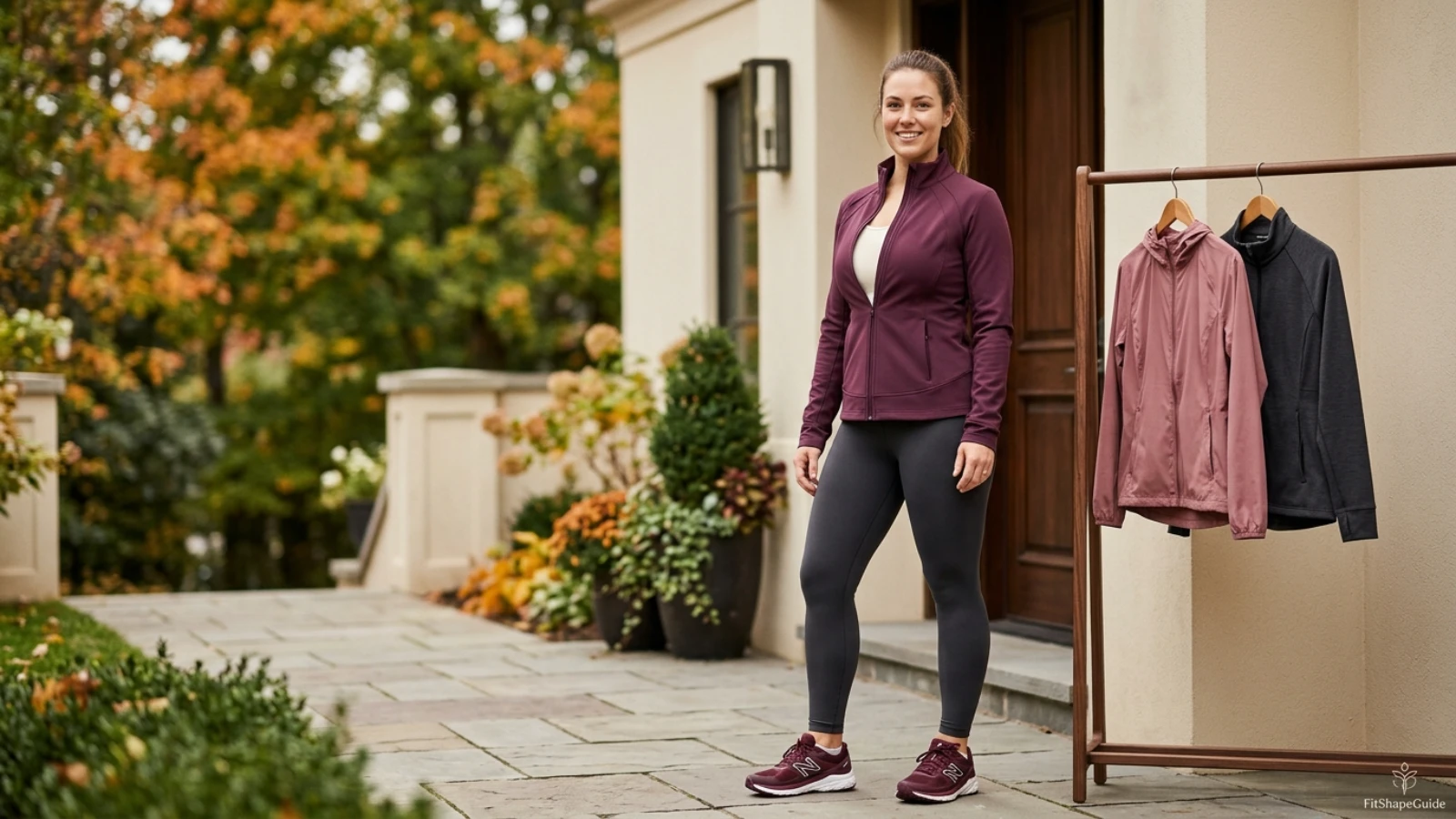
The 90-second athletic-jacket check
- Wear the intended base and midlayer before judging size.
- Set the jacket at the shoulder points and close the zipper without pulling.
- Look for chest drag lines, zipper waves, pocket flare and a rising front hem.
- Reach forward, overhead and across the body; the whole jacket should not lift.
- Rotate the torso while the back and underarm panels remain comfortable.
- Zip to the top; the collar should protect without pressing the throat.
- Place normal carry items in pockets and check whether the front distorts.
- Sit or cycle in position; use a lower two-way slider only when designed for it.
Best athletic jackets for a large bust by construction
“Athletic jacket” covers garments with very different jobs. A thin wind shell relies on low bulk and movement; a softshell balances stretch and weather resistance; an insulated hybrid manages warmth; a rain shell protects an underlying system. Start with the job, then judge how the pattern distributes chest room.
Princess-seam stretch softshell
Best for: shaped chest room, moderate weather protection and everyday movement. Curved seams can preserve waist control. Trade-off: a stable shell needs accurate ease because it may not stretch enough to correct a shallow front.
Side-panel running jacket
Best for: lightweight movement with stretch placed at the side body or underarm. Panels can improve reach without destabilizing the zipper. Trade-off: very close cuts may layer only over a thin top and can become tight over winter bases.
Light woven windbreaker
Best for: packable wind coverage and warm-up use. A softly relaxed body reduces cling. Trade-off: non-stretch woven fabric needs deliberate chest and back ease; oversized shoulders can create noise and excess volume.
Hybrid insulated-panel jacket
Best for: warmth at the torso with stretch sleeves or side panels for mobility. Strategic insulation can reduce bulk. Trade-off: puffy chest panels may add volume, while narrow uninsulated sides can push fullness forward.
Two-way-zip longline jacket
Best for: walking, commuting and fuller hips because the lower slider can release seated or stride tension. Trade-off: two sliders add weight and alignment steps; opening the hem cannot replace insufficient bust ease.
Relaxed protective shell
Best for: layering over a base and midlayer in wet or windy conditions. Adjustable hem, cuffs and hood help seal the system. Trade-off: excess room may feel bulky during fast movement, and technical care can be more specific.
The best athletic jackets for a large bust place volume where the body projects. They do not create chest room by dropping every shoulder seam, deepening every armhole and widening the entire waist.
Bust ease, seam shape and zipper stability
A vertical zipper makes fit distortion easy to see. When front panels lack depth, they travel outward over the bust and pull back toward the zipper, creating waves, bowing or diagonal drag. Stiffer shells may hold the distortion sharply; soft jackets may show ripples instead.
Garment ease includes every layer
The jacket needs room for the body plus the intended sports bra, base layer and midlayer. A running shell worn over one thin top can fit closer than a winter shell. Compare the seller’s body chart and finished-garment measurements carefully; they answer different questions.
Princess seams and darts
Curved seams can add three-dimensional volume without making the waist equally wide. The seam should pass near the bust shape without cutting across it under strain. Small shaping darts may help stable fabrics, though they are less common in minimalist performance designs.
Side-panel stretch
Stretch panels can absorb breathing and reach. They work best when the front already has adequate depth. A very firm side panel on a shallow jacket may push tissue and base layers toward the center, increasing zipper pressure.
Front length and hem balance
A fuller bust uses both width and vertical fabric. When front length is insufficient, the hem rises while the back remains lower. A curved front hem, extra front body length, high-hip cut or two-way zipper can improve balance depending on torso and hip proportions.
| Fit clue | Likely cause | Construction to compare | Avoid using as a fix |
|---|---|---|---|
| Horizontal chest drag | Insufficient front width or depth | Princess seams, larger chest measure or curved panels | Forcing the zipper |
| Zipper bows outward | Panels pulled around projection | More front volume and stable zipper tape | A heavier zipper alone |
| Front hem rises | Missing vertical length or tight hips | Extra front length, high-hip hem or two-way zip | Stretching the hem when wet |
| Waist becomes boxy | Size grading adds width everywhere | Contoured seams or adjustable hem | Repeatedly sizing up |
| Pocket openings flare | Front panel or pocket bag under strain | Lower/slanted pockets and more torso ease | Keeping heavy items inside |
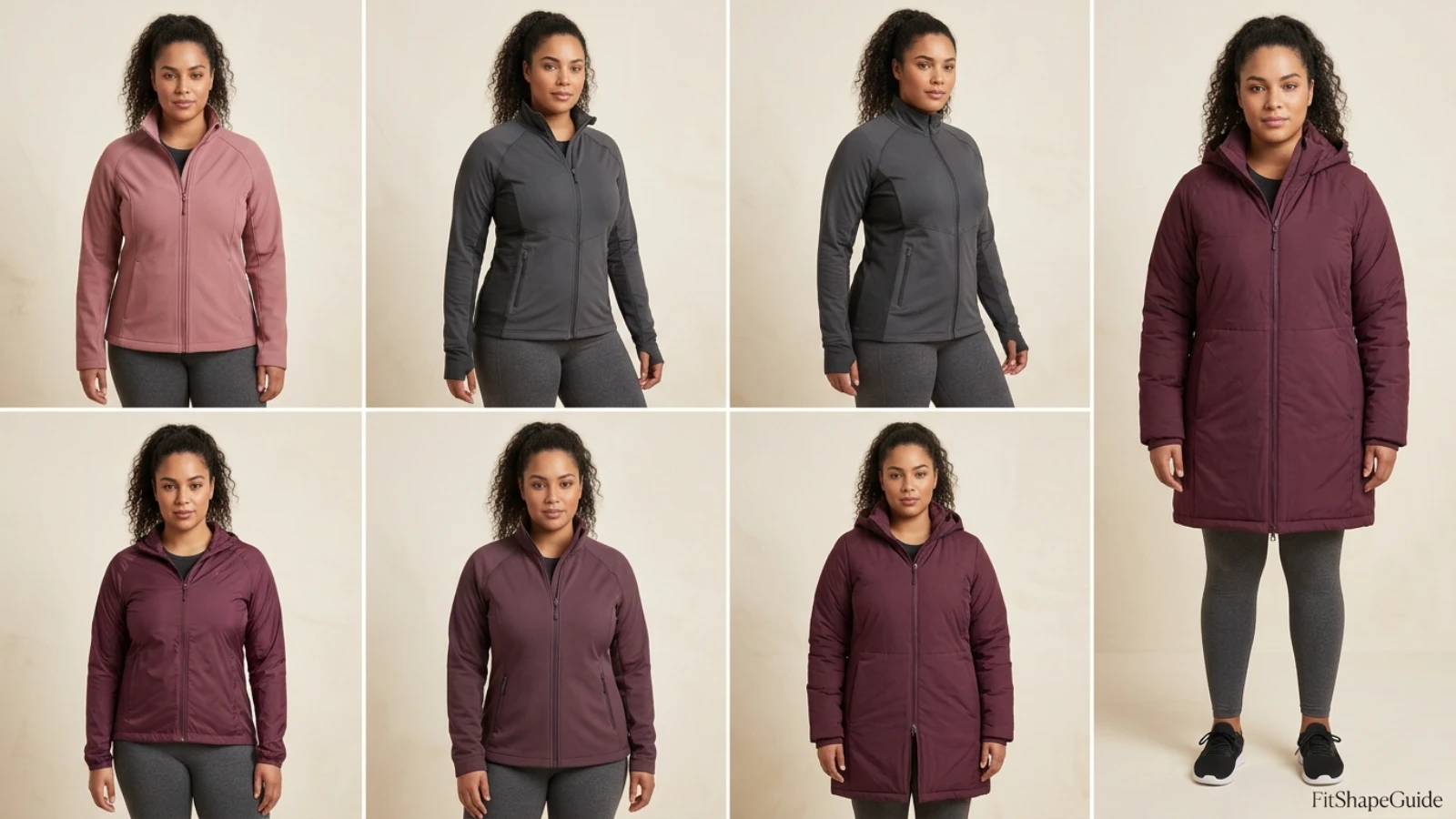
The best athletic jackets maintain a controlled front line because chest room is built into the garment rather than borrowed from zipper strain.
Shoulder placement, armholes and articulated sleeves
A jacket can close at the bust yet fail during movement. Sizing up often lowers the armhole and extends the shoulder, which may make the whole garment lift when arms rise. Athletic patterning should preserve reach without requiring excessive overall width.
Set-in, raglan and drop shoulders
A set-in seam usually sits near the shoulder point. Raglan sleeves run diagonally toward the neckline and can support broad movement, but they still need upper-chest and back room. Drop shoulders may be intentional for casual layers; they should not bunch under a pack or outer shell.
Underarm gussets and stretch zones
A gusset adds fabric where sleeve and body meet, allowing reach with less jacket lift. Stretch panels can achieve a similar goal. Check whether panels recover after repeated movement and whether seams remain smooth at the side of the bust.
Articulated elbows and sleeve rotation
Pre-shaped elbows and rotated sleeves can reduce fabric resistance during running, cycling or hiking positions. Cuffs should close comfortably without making the sleeve pull upward. Thumbholes must not shorten reach or drag the shoulder toward the hand.
Upper-back width
Forward reach, rows and steering need room across the shoulder blades. Strong horizontal lines across the back or a collar pulled backward can signal insufficient width. A yoke, pleat or stretch panel may add movement while the waist stays controlled.
Collar and hood balance
A standing collar should protect without pressing the throat when zipped. A hood needs enough space for the intended use but should not drag the neckline backward. Test drawcords and toggles so they do not strike the chest or become caught in the zipper.
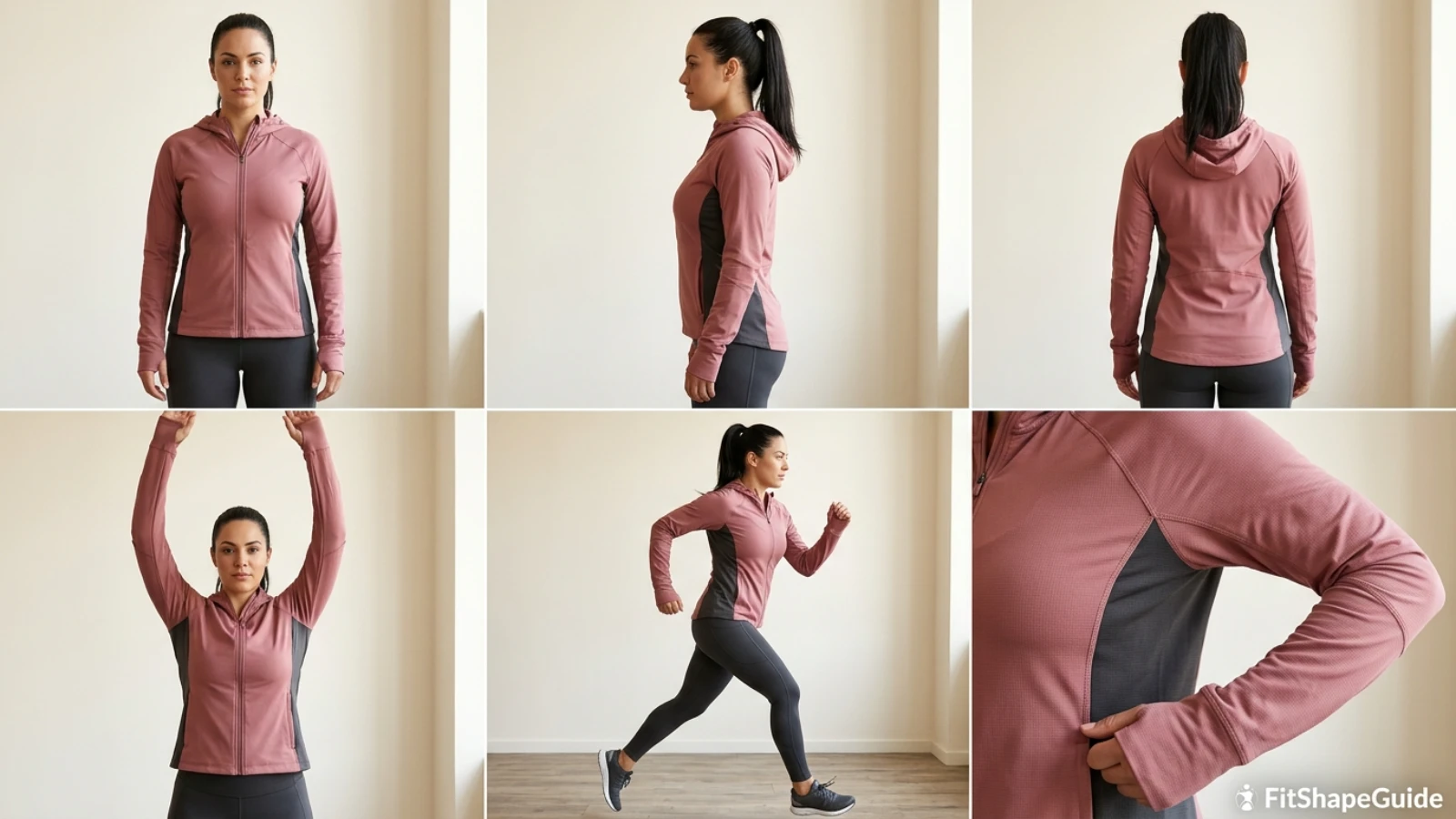
The best athletic jackets accommodate the chest while letting shoulders, elbows and upper back complete the intended movement.
Running, cycling, walking and cold-weather layering
One jacket rarely optimizes every condition. A light shell manages different priorities from an insulated midlayer. Define the activity, temperature, wind or rain exposure and the clothing beneath before comparing silhouettes.
Running and fast walking
Light weight, ventilation, pocket security and controlled hood volume matter during repetitive motion. Test a brisk walk and brief activity-appropriate jog. Base-layer choices in the running tops guide help establish how much room the jacket needs.
Gym arrival and warm-up
A stretch jacket should allow overhead reach and rows while pockets remain flat near equipment. A high-hip hem often avoids bunching. Test it over one of the gym tanks for a large bust, not over a thinner fitting layer.
Cycling position
Forward torso angles require upper-back and shoulder reach plus enough front comfort when the hip flexes. A slightly shorter front and longer back may be intentional. Compare garment-specific construction in the cycling tops guide.
Walking, commuting and travel
Two-way zippers, secure pockets and seated hem ease improve long wear. Test a bag strap across the jacket. Pocket contents should not pull the zipper sideways, and collar or hood hardware should not press beneath straps.
Cold-weather system
Patagonia’s official layering guide describes a system of base layer, insulating midlayer and protective shell. For fit, each layer must accommodate the one beneath without compressing loft or restricting reach. A shell purchased only over a thin top may fail when winter layers are added.
| Use case | Priority jacket | Layering test | Common conflict |
|---|---|---|---|
| Running | Light woven shell with venting and stable pockets | Walk, easy jog and arm drive | Hood bounce, chest pull or ride-up |
| Gym | Stretch softshell or side-panel jacket | Reach, row and bench setup | Low armholes lift the whole body |
| Cycling | Articulated sleeves and position-specific hem | Forward lean and steering reach | Front bunching or tight upper back |
| Commuting | Two-way zip with secure pockets | Sit, stand and carry a bag | Hip tension travels upward to bust |
| Cold weather | Shell sized over actual base and midlayer | Full layered reach and breathing check | Compressed insulation or restricted shoulders |
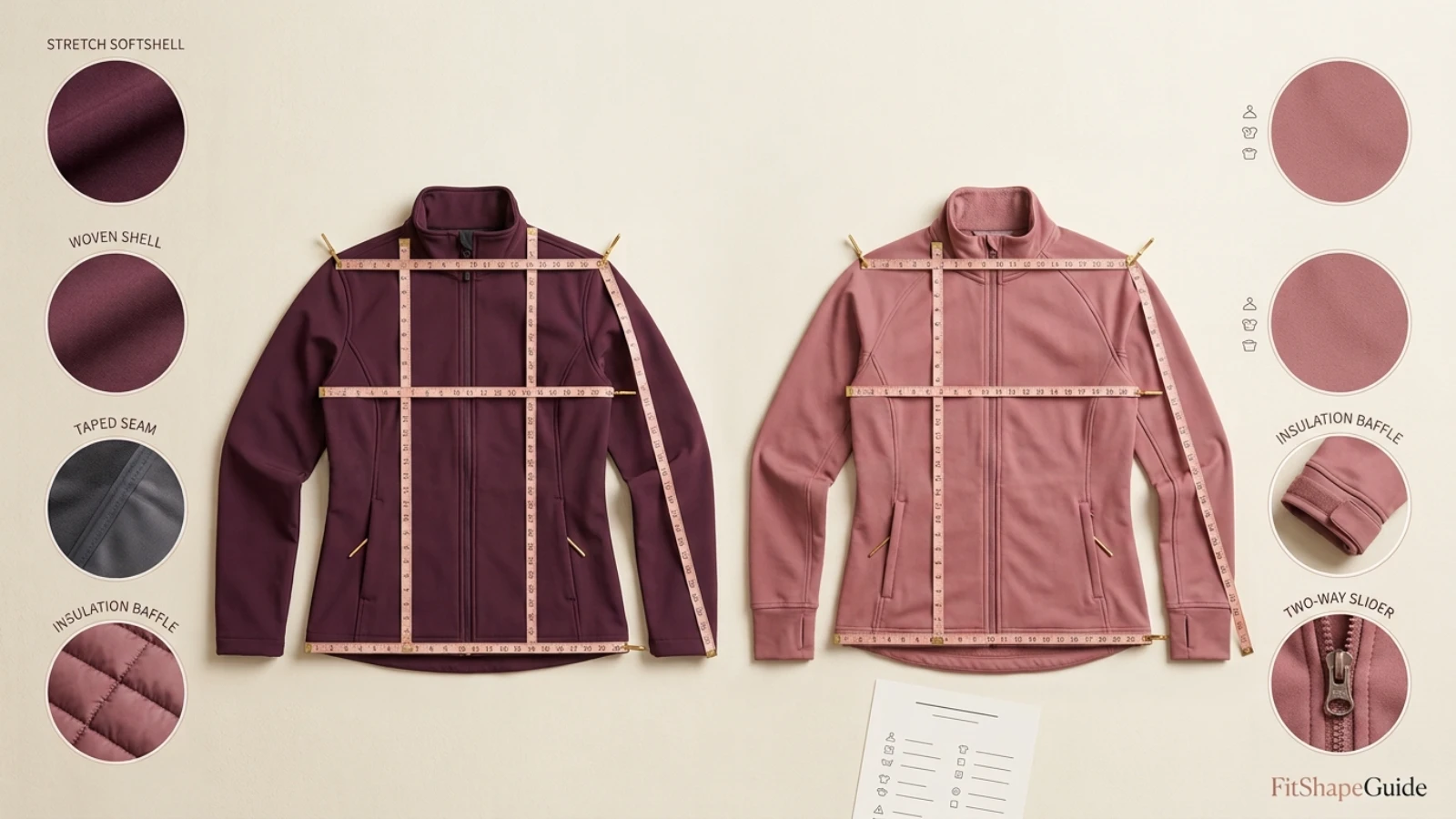
The best athletic jackets fit the complete layer system and movement pattern rather than a standing mirror pose over the thinnest possible top.
Softshell, woven shell, insulation and finishes
Materials determine stretch, drape, warmth, drying and care. Marketing labels such as “weather resistant” are not interchangeable with tested waterproof ratings or seam sealing. Use the live manufacturer specifications for any technical claim.
Stretch softshell
Softshell fabrics often balance wind resistance, stretch and a comfortable inner surface. They can skim the body more smoothly than thin woven shells. Check panel recovery and whether a membrane or finish changes breathability and care.
Light woven shell
Woven nylon or polyester can reduce weight and pack small. Because the fabric may have little stretch, pattern ease and articulated construction are important. Very thin shells may show pocket bags and base-layer seams.
Insulated and hybrid panels
Synthetic or down insulation adds loft. A fuller chest needs enough room to avoid crushing that loft or forcing baffles apart. Hybrid jackets place insulation at the torso and stretch elsewhere; inspect whether panel boundaries sit comfortably around the bust.
Waterproof shells
Waterproof performance depends on the full system: face fabric, membrane or coating, seams, closures and care. Patagonia’s waterproof-jacket care guide recommends following garment-specific washing directions and discusses technical detergent and drying for maintaining performance. Never generalize those instructions to every jacket.
Workout-fabric care
Nike’s official workout-clothing guidance recommends cold water, a gentle cycle and air drying where possible for performance fabrics. The sewn-in label overrides general advice. Close zippers and pockets when instructed, remove loose items and avoid products the manufacturer prohibits.
Retire or professionally repair a jacket if zipper teeth separate, tape tears, a drawcord becomes unsafe or waterproof layers delaminate. Care cannot fix structural failure.
How to shop online for a fuller-bust athletic jacket
A useful listing provides a current size chart, garment measurements, front/side/back views, fabric composition, weather role, zipper type, pocket map, hem and cuff adjustments, care and returns. “Slim,” “relaxed” and “water resistant” need supporting detail.
Separate body and garment measurements
Confirm whether the chart describes the wearer or finished jacket. For garment measurements, compare chest width, shoulder, sleeve, front and back length and hem against a jacket that fits over the same layers. Flat width often represents half circumference, but use the seller’s method.
Inspect side and interior views
A side view reveals front hem rise and chest projection. Interior views show pocket bags, lining, seam finishing, zipper backing and insulation placement. Back views reveal shoulder width, vents and hood bulk.
Account for foundations and base layers
The jacket should fit the outfit, not compress it. Start with a supportive sports-bra foundation and compare close layers in the compression tops guide only when compression is actually desired.
Read reviews as specific evidence
Prioritize reviews that state measurements or usual size, purchased size, layers worn, activity and conditions. Reports about zipper waves, chest pull, shoulder reach, sleeve length, pocket placement, overheating and wash change are more useful than “great jacket.”
Amazon verification workflow
Before adding a product module, confirm the live title, brand or authorized seller, chart, measurements, materials, weather claims, closure, pockets, care, selected color/size and return eligibility. Never hard-code price, coupon, rating, review count, stock or delivery promises. Disclose the affiliate relationship clearly and conspicuously.
For softer casual layering rather than technical outerwear, compare the zip-up hoodie guide. For coordinated active looks, see workout sets for a large bust.
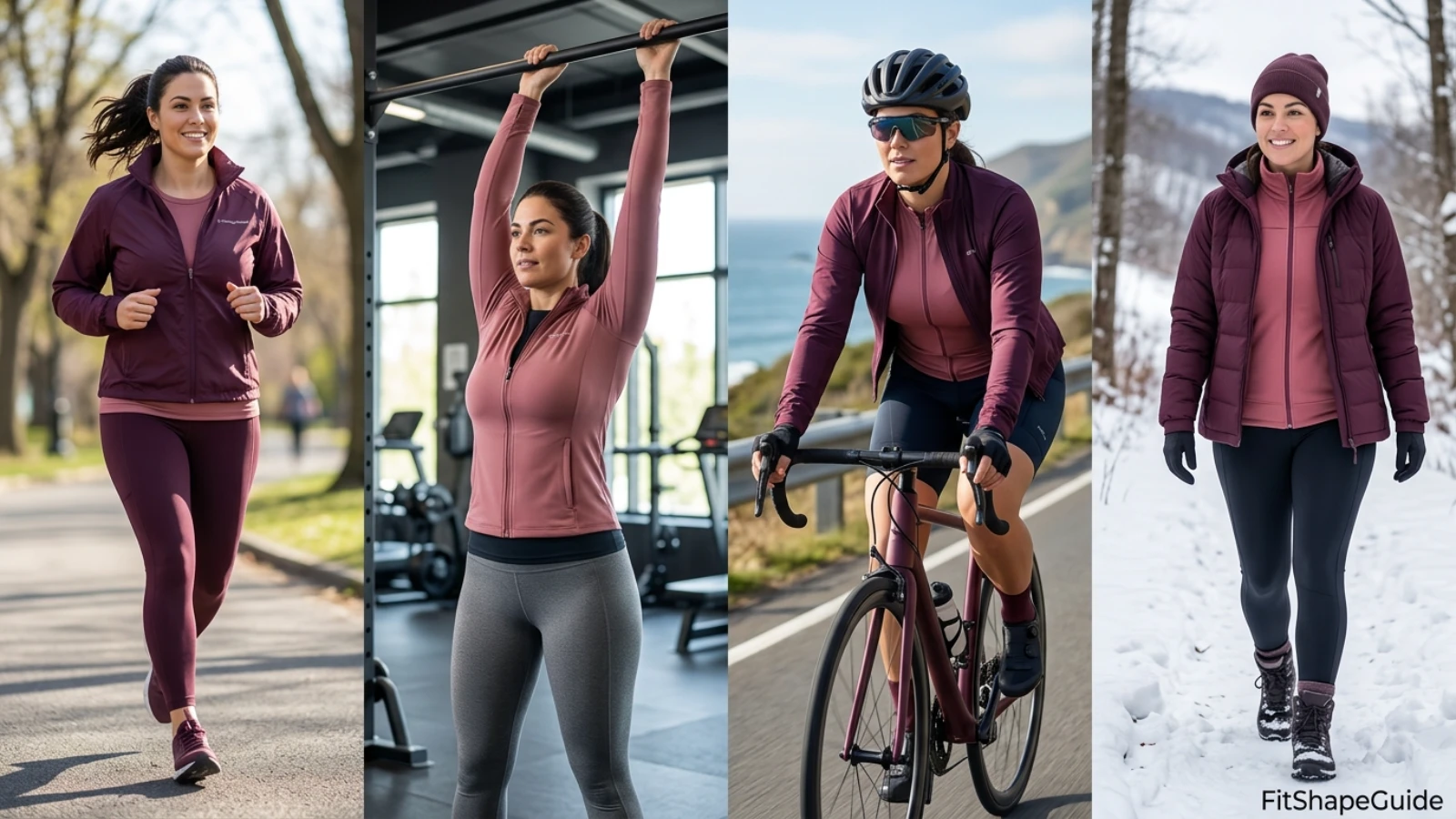
Listings for the best athletic jackets make garment dimensions, weather role and layering allowance visible before checkout.
Common athletic-jacket fit problems
| Symptom | Likely cause | Better next step |
|---|---|---|
| Zipper waves over bust | Insufficient front depth or unstable fabric/tape balance | Compare shaped seams, more chest ease or stable panels |
| Shoulders hang too low | Size increased within straight grading | Choose bust-shaped cut or intentional shoulder style |
| Front hem rises | Missing front length or tight hip/hem | Seek extra front length, high-hip hem or two-way zip |
| Jacket lifts with arms | Low armholes, tight back or poor sleeve articulation | Try gussets, raglan, shaped armhole or stretch yoke |
| Collar presses throat | Chest pull, short front or rigid collar | Restore front ease and compare collar shape |
| Pockets flare | Opening sits under tension or pocket is loaded | Choose lower/slanted pockets and more torso ease |
| Insulation looks flattened | Jacket too close over bust or layers | Increase usable ease without oversizing shoulders |
| Lower zipper bunches seated | Long rigid front conflicts with hip flexion | Use shorter hem, hip ease or functioning two-way zip |
Do not force a protective shell closed
Pulling the two sides together compresses layers and strains the closure. A shell must fit over the intended system while preserving breathing and reach. Choose another size only if shoulders and sleeves remain functional; otherwise change the cut.
Do not confuse oversizing with mobility
Extra width can create deeper armholes that lift the body during reach. Mobility comes from appropriate shoulders, back width, sleeve rotation, gussets and stretch placement.
Do not accept distortion as “slimming”
The goal is not to make every body look smaller. The best athletic jackets for a large bust support comfortable movement and a line the wearer enjoys without zipper strain, crushed layers or restricted breathing.
Choose front volume and activity-specific mobility
The best athletic jackets for a large bust pair shaped chest ease with a stable zipper, intentional shoulders, mobile armholes and a hem suited to the torso and activity. Choose a princess-seam softshell for structure, side-panel running jacket for movement, woven shell for light protection, hybrid jacket for targeted warmth or two-way zip for seated and hip comfort. Keep the jacket that closes without force over its real layers and stays balanced through reach, rotation, pockets and weather use.
Frequently asked questions
These answers explain how the best athletic jackets for a large bust should close, layer and move.
The best athletic jackets are defined by placement of ease and activity-specific construction, not one oversized label.
What athletic jacket style is best for a large bust?
A princess-seam softshell or side-panel stretch jacket is a strong starting point because it can add front volume while keeping shoulders, waist and movement controlled.
Why does my athletic-jacket zipper wave over my bust?
Common causes include insufficient chest depth, inadequate front length or a mismatch between soft body fabric and stiff zipper tape. Compare the complete cut, not only the zipper.
Should I size up in an athletic jacket for a large bust?
Size up when the added chest and layering room helps while shoulders, sleeves and armholes remain functional. Otherwise choose a more shaped or differently graded jacket.
Is a two-way zipper useful on an athletic jacket?
It can release lower-front tension when sitting, walking or layering over fuller hips. It improves hem comfort but cannot replace missing room across the bust.
How should an athletic jacket fit across the shoulders?
A set-in seam should sit near the shoulder point, while raglan or drop shoulders should look intentional. Full reach should not pull the chest or lift the entire jacket.
How much layering room should an athletic jacket have?
It should fit over the exact base and midlayers planned for use without compressing insulation, distorting the zipper or restricting breathing and upper-body movement.
Which athletic-jacket fabric is best for a large bust?
Stretch softshell offers structure and movement, woven shells reduce bulk and hybrid insulation targets warmth. The best fabric depends on weather role, ease, drape and care.
How do I measure an athletic jacket before buying online?
Compare chest width, shoulder, sleeve, front and back length and hem with a jacket that fits over similar layers. Confirm whether the seller chart lists body or garment measurements.
Editorial and verification standards
This guide evaluates observable construction rather than inventing a ranked product list: chest ease, seam position, zipper behavior, shoulder fit, sleeve articulation, layer allowance, hem balance and pocket load.
Layering principles reference Patagonia’s official cold-weather layering guide. Care guidance references the Nike workout-clothing care guide and Patagonia waterproof-jacket care. Always follow the actual garment label and manufacturer specifications.
Before any product module is published, an editor should verify the live listing, seller, chart, measurements, materials, weather claims, zipper, pockets, care and return terms. Affiliate relationships should be disclosed clearly and conspicuously under the FTC endorsement guidance.
The phrase best athletic jackets for a large bust therefore means suitable verified constructions for an individual body, activity, layer system and conditions—not a universal fit promise.