Date Night Outfits for a Large Bust
Six repeatable date-night formulas built around the venue, secure necklines, real bust projection, bra compatibility, sitting, walking, layers and personal style—not rules about hiding or minimizing the body.
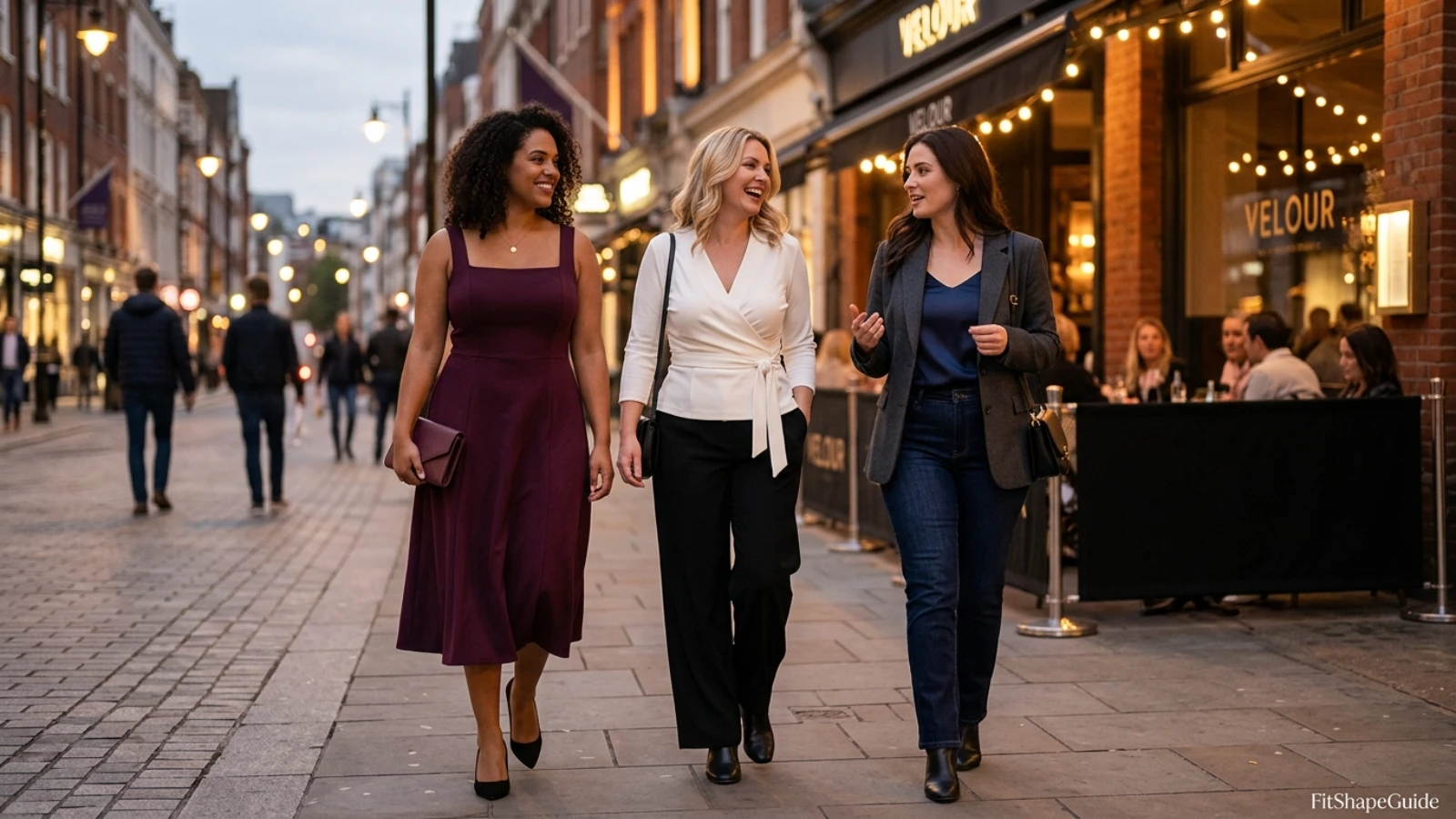
The 12-minute date-night test
- Wear the exact bra, underwear, hosiery and shoes planned for the evening.
- Fasten the outfit normally without lifting the bust into place or forcing a zipper.
- Sit at dining height for five minutes, lean toward the table and take a full breath.
- Raise both arms, self-hug, reach for a bag and put on the intended jacket or coat.
- Walk quickly, climb a step and test any wrap panel, slit, wide hem or high heel.
- Check front, side and seated photographs in ordinary indoor light and flash.
A good outfit returns to position after these movements. Fashion tape, pins and constant tightening should not be responsible for structural fit through a multi-hour evening.
Use date night outfits for a large bust by venue
“Date night” is a social plan, not a dress code. The same person may want a relaxed coffee outfit on Friday, a polished dinner dress on Saturday and weatherproof layers for an outdoor date the following week. Starting with the venue, expected movement and personal comfort produces better decisions than starting with a rule that fuller busts must be covered, emphasized or visually “balanced.”
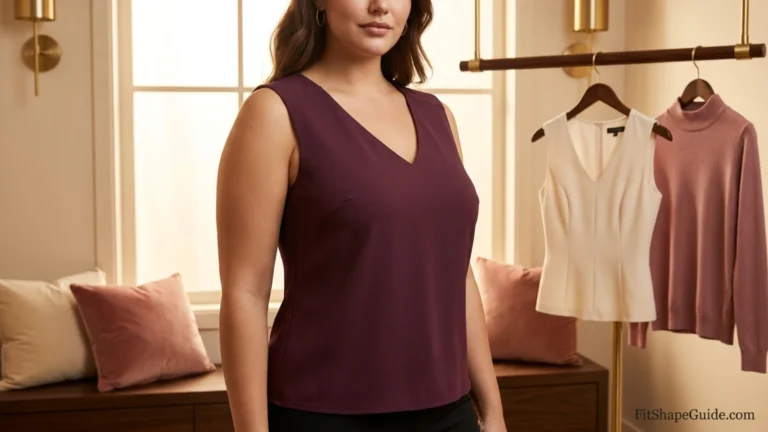
For coffee, a casual lunch or a first meeting in daylight, refined denim and a shaped top are often enough. The goal is not underdressing; it is choosing an outfit that fits the setting and feels familiar. A stable knit, tucked tee with real bust length, non-gape shirt or darted shell can look deliberate without requiring occasionwear.
A seated dinner puts unusual attention on the upper body. The neckline, shoulders, sleeves and jewelry remain visible while the lower half may be hidden by the table. That does not mean the neckline must be high. It means its edges should stay where intended while sitting, leaning and reaching. Test the exact chair height if possible, and leave enough rib and waist room for a full meal.
Theatre, gallery and live-music dates add walking, queues, stairs, crowded seating and temperature changes. A midi dress, jumpsuit or dressy separates should permit a normal stride and fit under a real coat. Check coatroom or bag rules in advance for ticketed venues, especially when a large tote would be inconvenient or prohibited.
Activity dates—bowling, mini golf, markets, dancing, arcade games or long walks—reward secure hems, pockets and shoes. A trouser outfit, stable knit dress or jeans with a shaped top usually allows more movement than a fragile wrap, very narrow skirt or unfamiliar heel. The outfit can still feel special through texture, color and accessories.
Dressier cocktail bars, celebrations and reservation-only venues may call for an elevated midi, tailored jumpsuit or refined suit. Check the venue’s stated policy rather than guessing from social media photographs. Personal, cultural and religious clothing can be part of any formula; the useful test is whether the outfit respects the wearer, the setting and the planned activity.
| Date setting | Reliable starting point | Fuller-bust priority | Main risk to test |
|---|---|---|---|
| Coffee or casual lunch | Dark jeans with shaped knit or shell | Front length and easy bra route | Top riding up while seated |
| Long dinner | Darted midi or wrap-style top with trousers | Stable neckline and rib comfort | Gape, compression or tight waistband |
| Theatre, gallery or concert | Midi dress, jumpsuit or polished separates | Layer compatibility and shoulder movement | Overheating or restricted coat fit |
| Outdoor or rooftop date | Fine knit with trousers or stable skirt | Wind-secure neckline and real outerwear | Cold, wind and shifting wrap panels |
| Activity date | Jeans/trousers with anchored top | Movement, straps and pockets | Riding hem, exposed bra or unsafe shoes |
| Cocktail or celebration | Shaped midi, jumpsuit or lightweight suit | Correct formality and long-wear support | Special detail disguising shallow fit |
Six date night outfits for a large bust
Princess-seam or darted midi dress
Best overall: curved seams or darts can create three-dimensional bust room while keeping the waist level. A square, scoop, moderate V or sweetheart-inspired neckline can feel special when its edges are stable and the straps cover the chosen bra.
Trade-off: the seam apex must match the body. A dress can look “structured” yet remain too shallow through the front. Check the front hem, side seams and waist after sitting, then confirm that a coat closes without pulling the dress upward.
Shaped wrap-style top with tailored trousers
Best for adjustable polish: a true wrap or fixed surplice top can provide diagonal bust room and a defined waist. Pair it with straight or fluid wide-leg trousers for a dinner, gallery or rooftop look that fits upper and lower body independently.
Trade-off: wrap ties cannot create missing overlap. Test leaning across a table, reaching and walking in wind. The trouser waistband also needs room for a long meal; a contoured or smooth front can be calmer than tight elastic or heavy pleats.
Fine knit or bodysuit with a midi skirt
Best for a clean tucked line: a dense fine-gauge knit, shaped bodysuit or double-layer shell can stay anchored beneath an A-line, bias-look or softly columnar midi. This formula moves from dinner to theatre while allowing separate sizing.
Trade-off: bodysuit torso length and closure placement determine comfort; a knit needs recovery rather than maximum stretch. Avoid a waistband that rolls or presses. Test the skirt on stairs and confirm that the top does not become sheer or widen excessively over the bust.
Dark straight-leg jeans, structured top and blazer
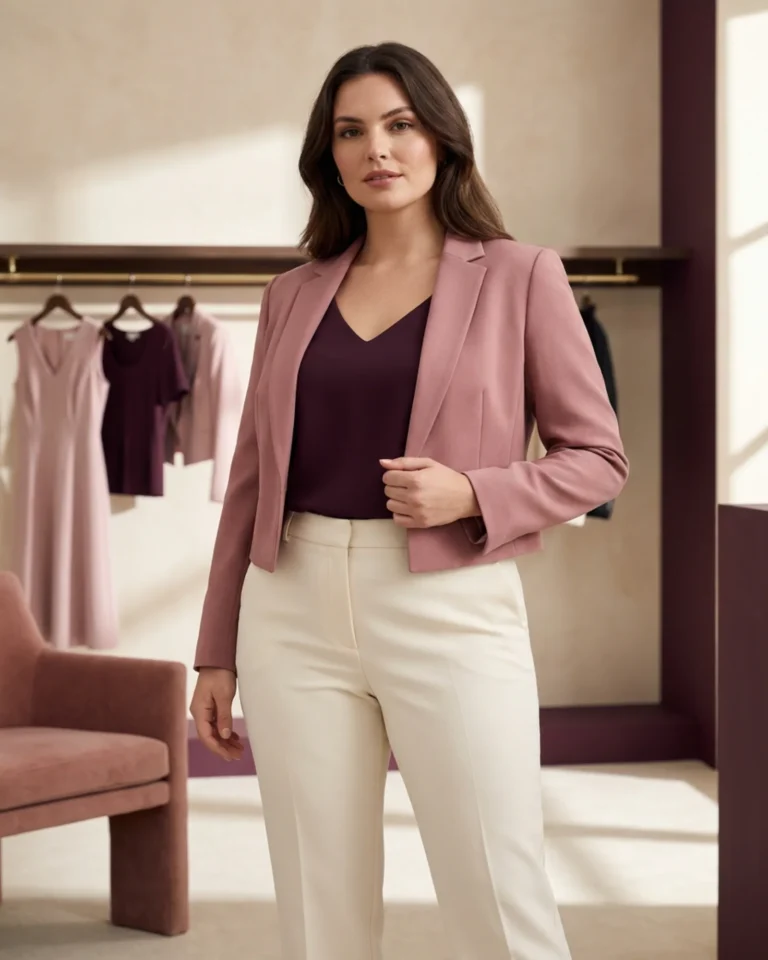
Best casual formula: clean dark denim, a darted shell or secure knit and an optional single-breasted blazer can feel relaxed without looking unfinished. A straight, bootcut or softly wide leg can work; choose by rise, waistband and venue rather than a body-correction rule.
Trade-off: stiff high rises can press the ribs while seated, and a tight blazer can pull the top backward. Check lapel behavior, shoulder reach and coat layering. If the date includes a dress-code venue, verify that denim is permitted.
Tailored jumpsuit
Best one-piece alternative: a jumpsuit with darts, princess seams or a secure wrap-style bodice and a straight or wide leg gives full-outfit polish without coordinating separates. It works especially well for cocktail bars, dinners and events with standing or dancing.
Trade-off: torso length, back closure and restroom access are decisive. The garment should not pull from crotch to shoulder when seated. Test the entire routine without assistance, and ensure the neckline remains secure during raised arms.
Satin-look A-line dress with a soft layer
Best for an elevated evening: a lustrous woven dress with real darts or princess seams creates light-catching texture while an A-line or fluid skirt allows sitting and walking. Add a cropped cardigan, soft blazer or roomy coat according to the venue.
Trade-off: satin surfaces reveal pulling, seam stress, static and underlayer lines. Bias cutting adds fluidity but does not guarantee bust room. Check flash photography, snag risk, opacity, front length and whether the bra straps remain concealed.
| Outfit formula | Best use | Support route | Decisive test |
|---|---|---|---|
| Shaped midi dress | Dinner, theatre, celebration | Standard, balconette or plunge by neckline | Seam alignment and seated neckline |
| Wrap-style top + trousers | Dinner, gallery, rooftop | Plunge or lower-center bra if needed | Panel overlap and waistband comfort |
| Fine knit/bodysuit + skirt | Theatre, drinks, smart casual | Smooth standard bra | Recovery, torso length and anchored tuck |
| Dark jeans + structured top | Coffee, casual meal, activity | Everyday bra matched to neckline | Rise comfort and blazer reach |
| Tailored jumpsuit | Cocktail, dinner, dancing | Standard or plunge; wide straps preferred | Seated torso length and restroom use |
| Satin-look A-line | Dressier dinner or celebration | Neckline-matched supportive bra | Front tension, opacity and flash |
Any formula can be made quieter or more expressive. A familiar silhouette in a richer color may feel more authentic than a dramatically revealing garment purchased for one evening. Conversely, a lower neckline or fitted dress can be comfortable and secure when it has enough front length, stable edges and a compatible bra. The evidence is in the construction and movement, not the amount of coverage.
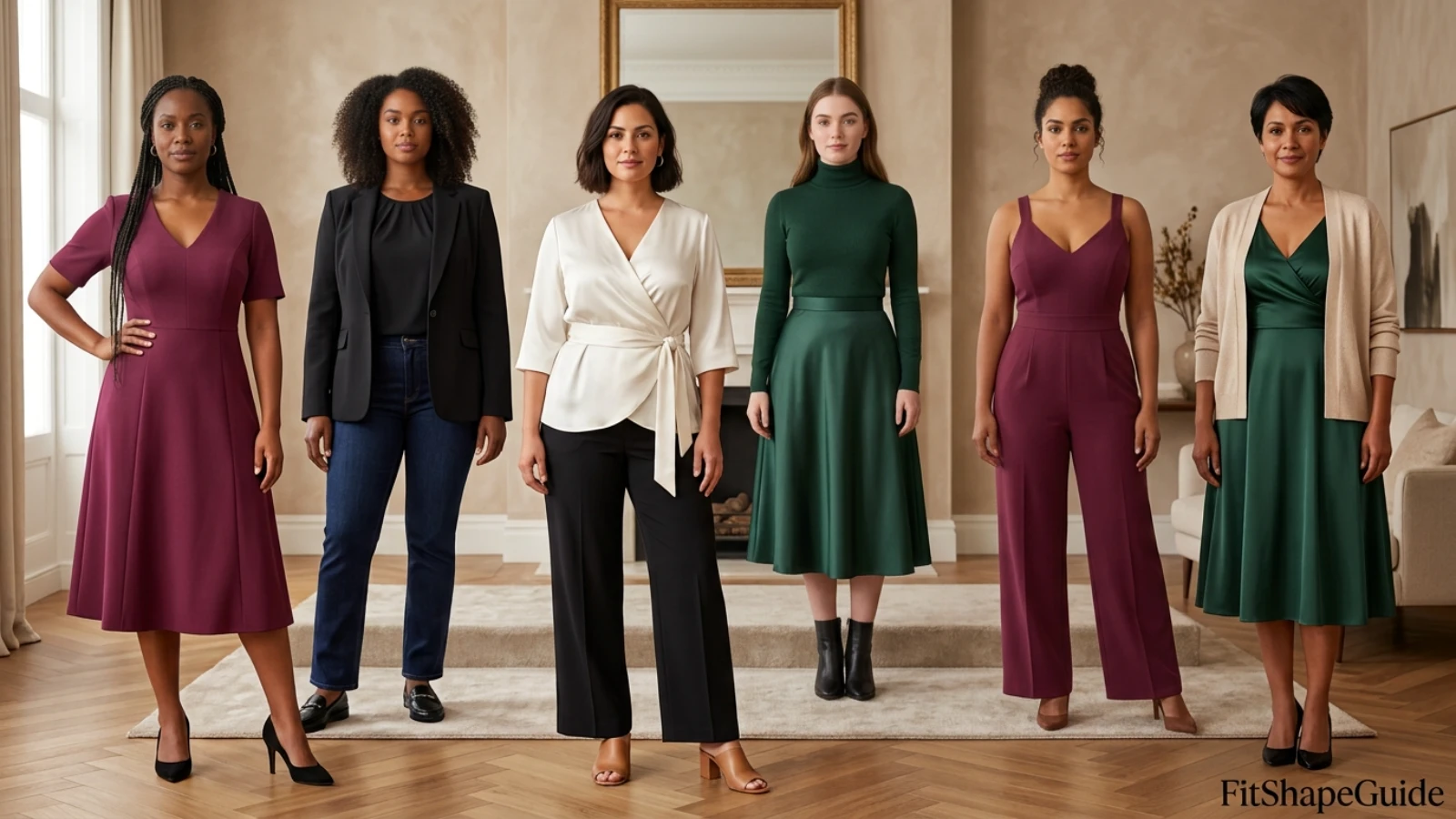
Neckline stability and the bra plan
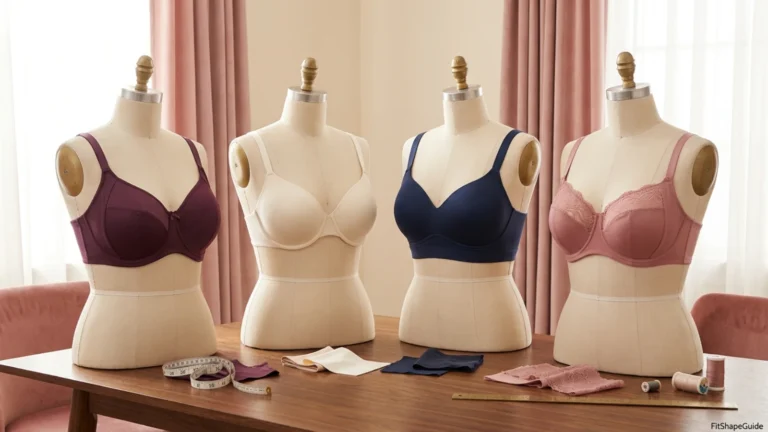
Begin with the bra, because the same dress can behave differently over a full-cup, balconette, plunge or strapless shape. A supportive band should stay level and comfortably snug; the cups should contain without cutting in or gaping; the straps should remain secure without carrying all the support. Wear the chosen bra for at least an hour before the date if it is unfamiliar.
There is no single “best” neckline for a large bust. A moderate V can create a clean vertical opening; a square neck can frame the collarbone; a scoop can feel relaxed; a sweetheart can add occasion detail; a higher crew can work under a blazer. Each needs enough center-front length and an edge that does not roll, gape or climb in motion.
Test the seated view. Lean slightly forward as if speaking across a table, then sit back and turn to the side. The neckline should remain intentional. A small gap caused by excess edge length may be alterable; a broad opening caused by missing bust depth needs a different pattern. Tape can stabilize an already suitable edge, but it should not pull two strained panels together.
Strap placement matters. Very wide-set straps can slide or expose bra straps during a coat transition. Narrow straps may require a strapless or convertible route. Strapless support should come primarily from a firm, comfortable band and suitable cup construction rather than continuous upward pulling. Fit the bra and dress together, not as separate purchases.
Wrap fronts need adequate width at both neckline and lower panel. Tightening the waist tie can lift the front hem and open the bust rather than solve it. A fixed surplice top may be more stable, while a true wrap offers adjustment. Test both while seated, reaching and walking outside.
Built-in cups can be restrictive if their width, depth or position does not match the wearer. If the cup edge crosses breast tissue, the wire sits on tissue or the bodice stands away from the body, the internal architecture is not functioning. A separate bra under a shaped bodice often provides more predictable fit.
Check the garment after adding a blazer or coat. A tight armhole, upper back or chest can pull the base neckline upward or backward. The outer layer must pass the same self-hug and raised-arm test. For tailored construction, use the blazer guide for a large bust.
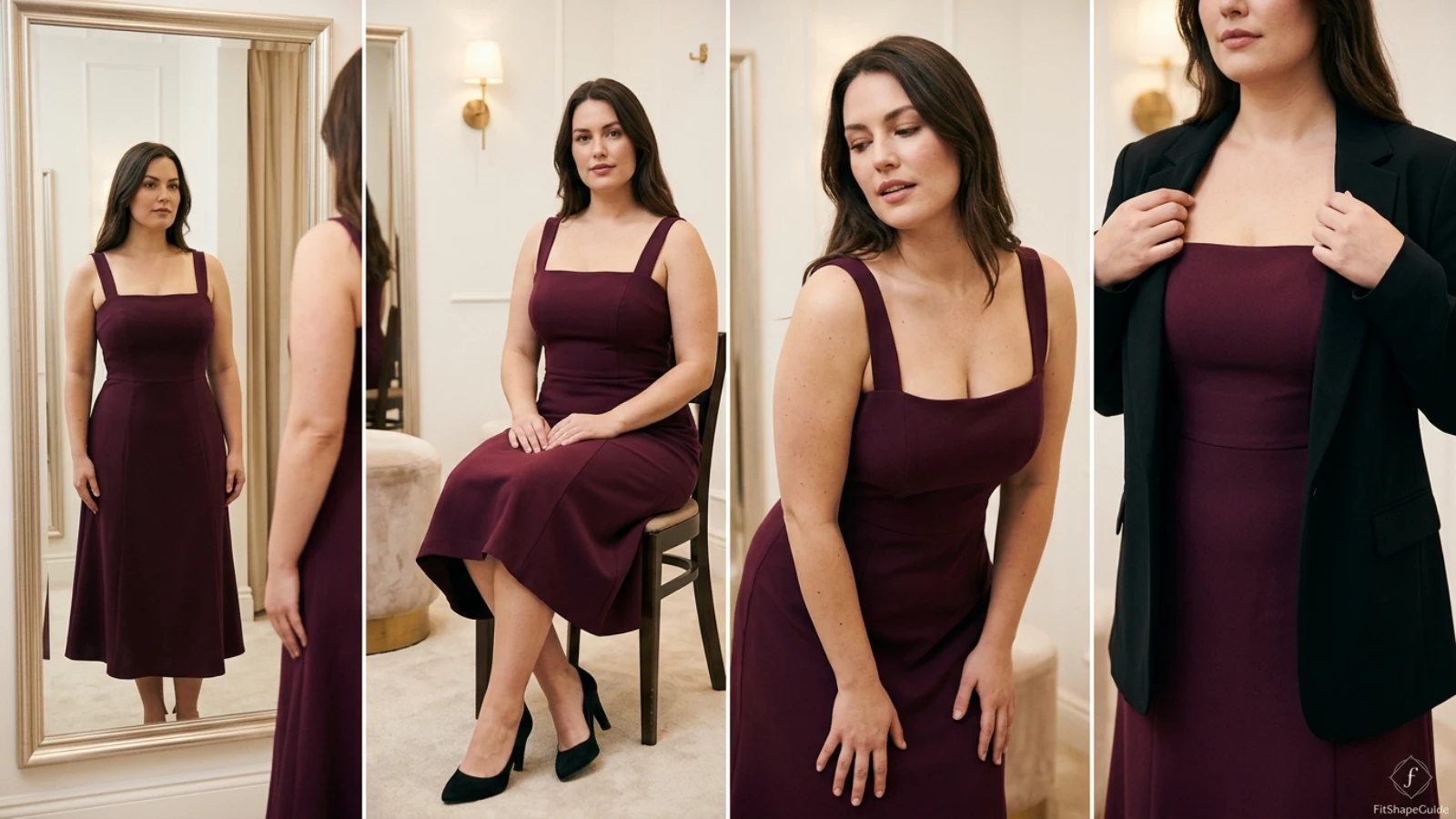
Fabric, stretch, lining and long-evening comfort
Stretch is useful only when the fabric recovers. Knits gain flexibility from intermeshed loops, but different structures behave differently. A dense double knit or ponte can offer stability for trousers, dresses and jackets; a fine rib can expand visibly across the bust; a lightweight jersey can cling or become sheer. Sit for ten minutes, then stand and see whether the garment returns to its original length and shape.
Woven fabrics usually need shaping through darts, princess seams, gathers or panels. A woven top that relies on pulling across the bust may look smooth for a photograph but restrict breath and arm movement. Mechanical or fiber-based stretch can add ease, yet it does not replace enough front length or correctly placed seams.
Satin and satin-look surfaces are compelling for evening because they reflect light, but that same light reveals tension. Inspect the fabric across the bust, underarm, waist and zipper in daylight and indoor flash. Diagonal ripples, pale stress lines or a rising front hem indicate a fit issue. A matte crepe is often more forgiving visually, though it still needs correct shaping.
Velvet, sequins and embellishment can create date-night texture without requiring a revealing cut. Velvet pile may change color under tension or crush beneath a tight coat. Sequins can scratch the underarm, catch a bag and add weight. Look at the backing, lining and edge finish rather than evaluating sparkle alone.
Lining should support comfort, opacity and movement. A tight lining can restrict a dress even when the outer shell appears roomy; an unstable lining can twist or ride. Check both layers at the side seam and hem. If static develops between lining, hosiery and outerwear, test only care-compatible solutions and follow the garment label.
Temperature matters. A fine Merino layer can help manage temperature changes, but the specific knit, weight and wearer still determine comfort. A crowded restaurant and an outdoor walk can happen in the same evening. Use removable layers rather than choosing an excessively heavy base that cannot adapt.
Outerwear, weather and transitions
The outfit often needs to work through transportation, a queue, the venue, a walk and a second location. Check the forecast and route before getting dressed. A coat should close over the bust and outfit without pushing the neckline backward. If it is intended to remain open, confirm that the weather and plan make that comfortable rather than treating closure failure as styling.
A soft single-breasted blazer can raise the formality of jeans or trousers. A cropped cardigan can preserve a dress waist and offer indoor warmth. A longer coat can cover a midi or jumpsuit cleanly. The choice depends on shoulder reach, sleeve room and hem interaction—not a universal proportion formula.
For cool weather, fine knits, stable crepe and lined trousers can provide warmth without excessive bulk. For warm evenings, a breathable shaped shell, low-bulk dress or short-sleeve knit may be enough. Check air conditioning; a lightweight layer that folds into a bag can be more practical than an outfit that assumes one temperature.
Rain changes shoe grip, hem length and fabric choice. A wide-leg hem can absorb water; delicate satin can mark; suede accessories may need protection. Use a coat or umbrella according to care requirements and keep the hem clear of the ground. Weather practicality does not make an outfit less romantic—it makes the evening easier to enjoy.
If the plan is uncertain, choose a modular formula: shaped top, tailored trousers or dark jeans, comfortable shoes and one polished layer. It can move from coffee to dinner without changing the foundation. For elevated settings, the cocktail party outfit guide offers a useful formality check; for seasonal events, use the holiday party dress guide.
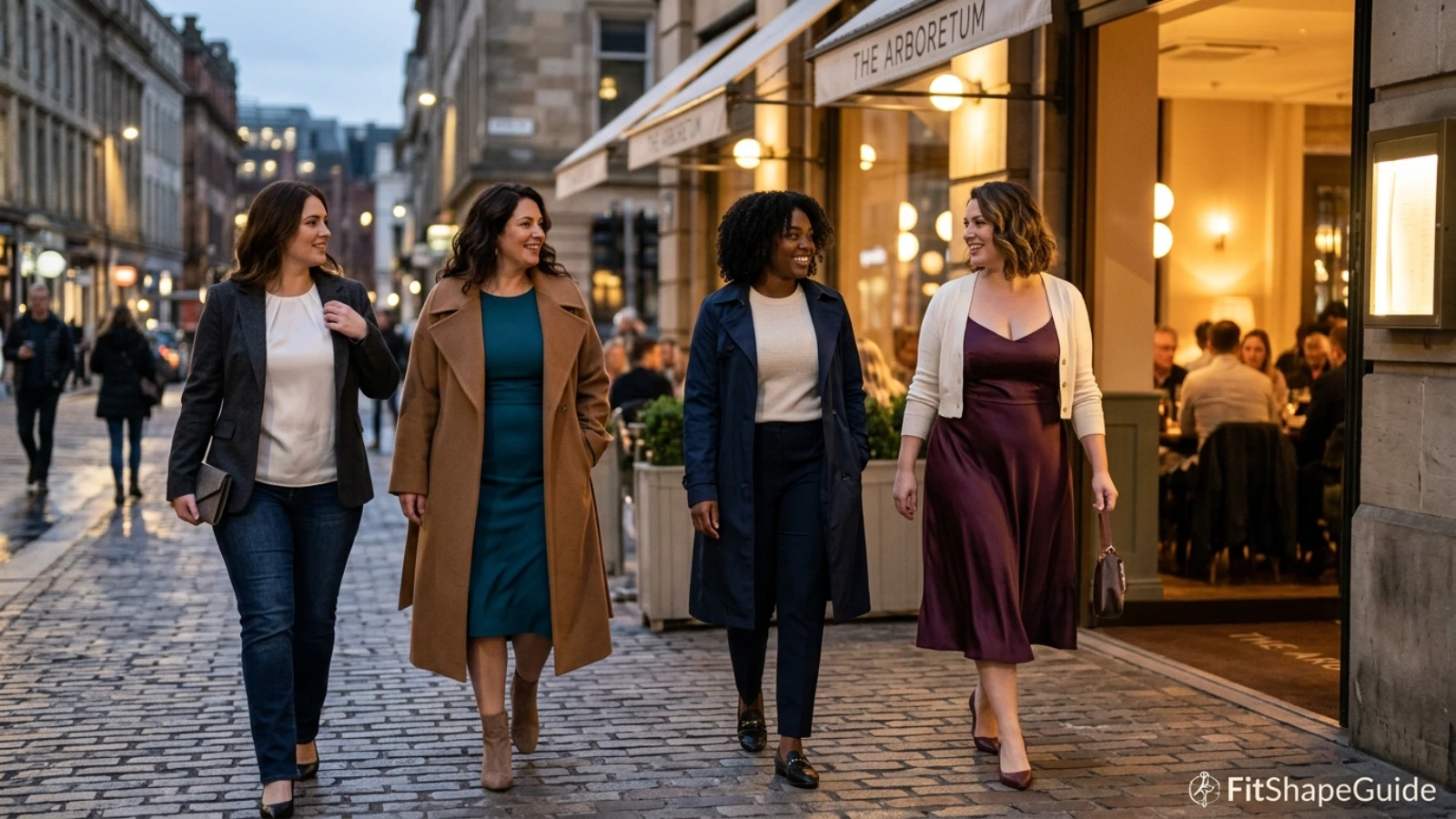
Shoes, bags, jewelry and personal comfort
Shoes should match the real route. A restaurant reservation may still involve public transport, cobblestones, stairs or a twenty-minute walk. Stable flats, loafers, supportive sandals, dress sneakers or block heels can all be intentional. Test the pair with the final hem and wear it long enough to reveal rubbing or instability.
A bag can change garment behavior. A crossbody strap may divide or pull the bodice; a shoulder bag can drag a wide neckline or catch sequins; a large tote can overwhelm a narrow restaurant seat. Test the loaded bag with the coat and outfit. A smooth small shoulder bag, clutch with a secure strap or compact crossbody may work, but capacity and personal needs come first.
Jewelry should coexist with the neckline and movement. A pendant can fall inside a V or wrap front; a necklace can compete with a cowl; large earrings can catch long hair or a scarf. Take a seated photograph and turn the head in both directions. The accessory should add expression without becoming a maintenance task.
Comfort supplies can be useful when they support a sound fit: blister protection, a compatible anti-static method, a small stain solution, approved medication or a spare hair tie. They should not be expected to rescue a structurally unsuitable garment. Fashion tape, safety pins and a backup bra are not substitutes for adequate bodice room.
Personal safety and access are part of the outfit plan. Keep essential items reachable, check venue bag rules, preserve mobility and choose layers appropriate to transportation. Adaptive garments, sensory preferences, religious clothing and mobility aids should be incorporated from the beginning rather than treated as compromises.
Date-night shopping and alteration checklist
Measure the body in the intended bra and close-fitting clothing. Record full bust, high bust when helpful, waist, hip, shoulder-to-waist length and inseam or rise for trousers. Compare those numbers with the current chart for the exact garment. A brand size worn last season is weaker evidence than the listing in front of you.
Look for construction details in front, side and back photographs. Bust darts, princess seams, panel width, strap placement, neckline facing, closures and lining matter more than labels such as “curve,” “bodycon” or “flattering.” Hair, crossed arms and jackets can hide shallow cups, low backs and wide-set straps. Save the listing because materials and details can change.
Choose a larger size when it restores bust room and front length while shoulders, armholes and waist remain manageable. If the waist seam still sits on the bust or built-in cups remain too small, further sizing up may not solve the pattern. Select a different construction or ask a tailor whether the near-fit is realistic.
Reviews are most useful when they include body measurements, the size system used, ordered size, support garment, venue and movement. Repeated reports of a short bodice, loose straps, tight arms, weak zipper, static, sheerness or growth after sitting deserve attention. “Sexy” and “flattering” are personal reactions, not garment specifications.
Alterations can improve a strong near-fit. A tailor may shorten straps, stabilize a neckline, adjust a waist, add bra keepers, refine a hem or install a modesty snap where adequate overlap already exists. Creating missing bust projection, relocating generic cups, enlarging a small armhole or rebuilding a jumpsuit torso is more complex. Request an assessment before the return period ends.
Think beyond one date. A shaped midi can serve dinners and cocktail events; dark jeans and a shell work for casual evenings; a jumpsuit can cover celebrations; a blazer can move into office wear. Repeatability usually provides better value than a one-night garment with specialist care and one difficult bra route.
For denim construction, compare the best jeans guide. For fluid trousers, use the wide-leg pants guide; for skirt waistbands and movement, see the best skirts guide.
| Shopping checkpoint | Evidence to confirm | Warning sign | Best response |
|---|---|---|---|
| Bust shaping | Darts/seams align and front waist stays level | Pulling, lifted hem or side-seam swing | More projection, front length or another pattern |
| Neckline and bra | Edges, cups and straps stay concealed in motion | Gape, spill, slide or repeated adjustment | Different neckline/bra or minor alteration if close |
| Seated comfort | Full breath, relaxed ribs and stable waistband | Compression, rolling waist or opening wrap | More ease, overlap or a different rise |
| Fabric and lining | Opaque, recovering, comfortable and smooth | Sheer stretch, static, scratch or seam stress | Different structure or compatible lining |
| Movement and layers | Normal stride, arm reach and coat closure | Riding hem or neckline pulled by jacket | More mobility or roomier outer layer |
| Care and value | Label, returns and alteration cost understood | Final sale or impractical specialist care | Choose a repeatable, maintainable outfit |
Complete the test before removing tags: exact bra, exact shoes, loaded bag and intended coat. Sit, breathe, lean, reach, walk and take photographs in realistic light. If the garment needs management during the test, it is likely to need more management during the date.
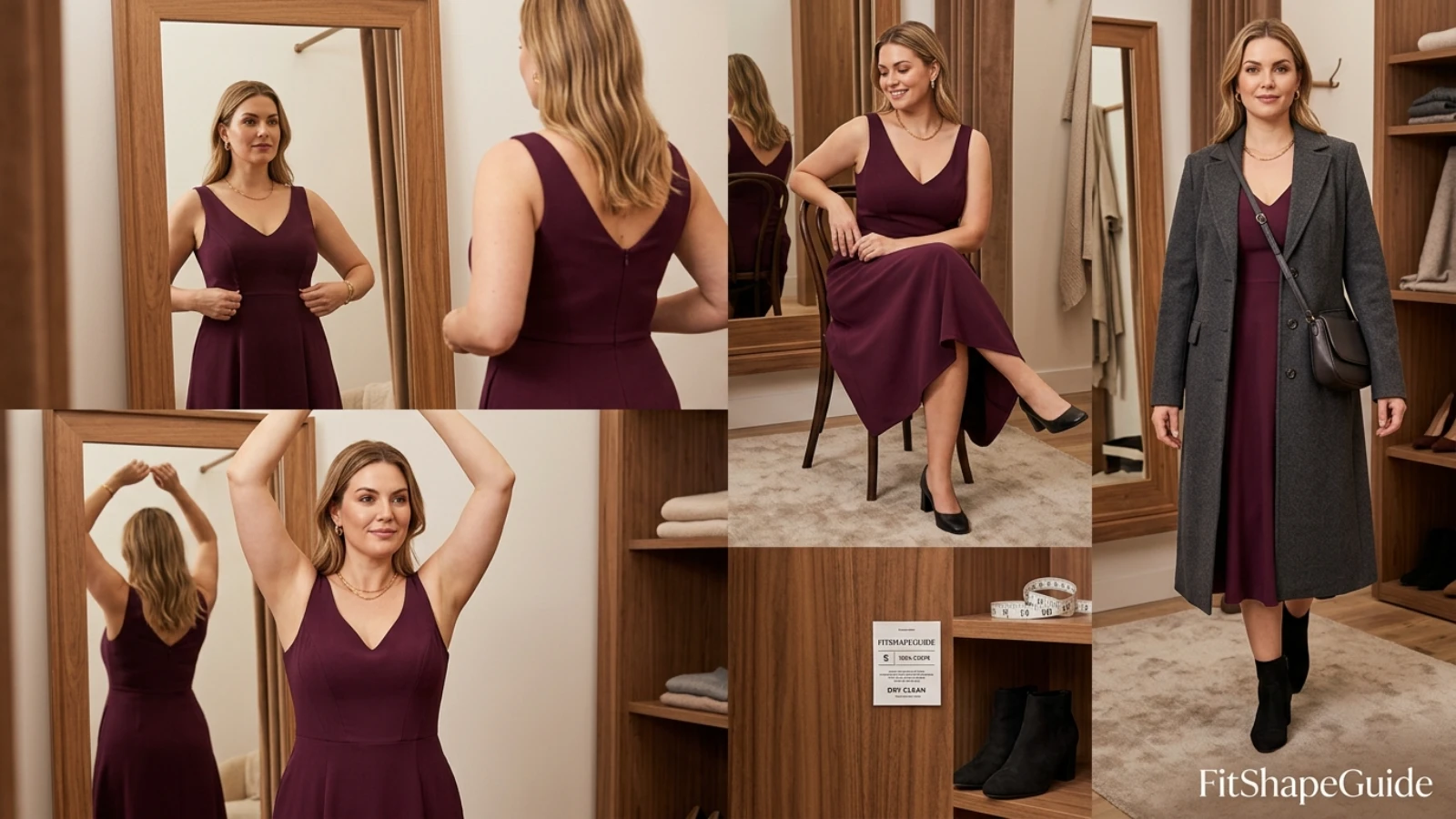
Common date-night outfit problems and fixes
The neckline is secure standing but opens at the table
Sitting and leaning change torso angle. Check edge length, bust depth and bra shape. A small alteration or snap can stabilize a close fit; broad gaping or strain needs a different bodice rather than more tape.
The front waist rises under the bust
The garment likely lacks projection or center-front length. Look for deeper darts, properly placed princess seams or a longer front bodice. Pulling the skirt down or adding a belt cannot create missing upper-body room.
The wrap top keeps opening
The panels may lack width or the internal anchor may be poorly placed. A snap can hold adequate overlap, but ties should not stretch small panels together. Test a fixed surplice or different wrap construction.
The bodysuit feels tight after dinner
The torso may be too short or the closure may sit uncomfortably. Check length while seated before the event. A longer torso option, stretchier but recovering fabric or separate tucked top may be more comfortable.
The blazer pulls the top backward
The jacket may be tight through the chest, armhole, shoulder or upper back. Test the top alone, then the layer. Choose more front depth and shoulder reach rather than accepting a neckline that shifts all evening.
The satin dress shows pale lines across the bust
Tension is changing how the surface reflects light. More bust room, front length or a different seam layout is the honest fix. Steam cannot remove fit-generated tension.
The trouser waistband becomes painful while seated
The rise, waistband shape or size may not suit the seated torso. Try a contoured band, softer structure, different rise or more ease. Test after a normal meal, not only on an empty stomach.
The shoes make the after-dinner walk impossible
Change to a stable pair that suits the route and final hem. Flats, loafers, dress sneakers and low block heels can all support an intentional outfit. Comfort is part of the plan, not a failure of styling.
Choose the outfit that leaves attention for the evening
Start with a shaped midi for broad versatility, a wrap-style top and trousers for adjustable polish, a fine knit and midi skirt for a clean tuck, dark jeans and a structured top for casual plans, a tailored jumpsuit for one-piece impact, or a satin-look A-line for dressier evenings.
The venue decides formality; the bra and bodice decide support; fabric and layers manage temperature; shoes and bags support movement. The best outfit is the one that feels recognizably yours and stays secure without becoming the main task of the date.
Frequently asked questions
What date night outfit is best for a large bust?
A princess-seam or darted midi dress with a secure neckline, bra-friendly straps and an easy-moving skirt is the most versatile starting point. A shaped wrap-style top with trousers, dark jeans with a structured shell or a tailored jumpsuit can work equally well.
What neckline works for a date night outfit with a large bust?
Stable V, square, scoop, sweetheart-inspired and crew necklines can all work when they provide enough center-front length, secure edges and coverage for the planned bra. Test sitting, leaning, reaching and outerwear.
Can I wear jeans on a date night?
Yes, when denim suits the venue. Dark straight, bootcut or softly wide-leg jeans can pair with a darted shell, fine knit or blazer. Check rise comfort while seated and verify any stated dress code before arrival.
How do I stop a wrap top from opening on a date?
Choose generous panel width, adequate overlap and a useful internal anchor. A minor snap may stabilize a suitable fit, but ties or tape cannot create missing fabric. Test leaning across a table and raised arms.
What bra should I wear under a date night dress?
Use a well-fitting full-cup, balconette, plunge, demi, strapless or convertible bra that matches the neckline and straps. Fit the exact combination together and wear an unfamiliar bra long enough to confirm comfort before the date.
Can a jumpsuit work for a large bust on date night?
Yes. Look for darts, princess seams or a secure wrap-style bodice, enough torso length and practical restroom access. Test sitting, breathing, reaching and the complete closure routine without assistance.
How should I test a date night outfit before buying?
Wear the exact bra, underwear, shoes, bag and coat; then sit, breathe, lean, raise both arms, self-hug, walk and climb a step. Photograph the outfit in ordinary indoor light and confirm that it returns to position.
Should I size up in a date night dress for a large bust?
Size up when it restores bust room and front length while shoulders, armholes, waist and back remain manageable. If built-in cups or seam shaping stay misplaced, choose a different construction rather than continuing to size up.
Related FitShapeGuide guides
Editorial and verification standards
This guide evaluates venue context, bust shaping, neckline stability, bra compatibility, knit recovery, woven stretch, lining, outerwear, seated movement, shoes, bags, care, alterations and returns. Bra-band and cup-fit principles were checked against Bravissimo’s current fitting guidance. Knit flexibility, double-knit stability and recovery were checked against CottonWorks textile education, while temperature-management statements were checked against Woolmark fiber guidance.
Garment-care statements were checked against current Federal Trade Commission care-label requirements. No outbound source link appears in the visible article. FitShapeGuide does not invent product names, ASINs, prices, ratings, review counts, sellers, materials, stock or performance.
Before an Amazon module is published, verify the direct live listing, seller, size chart, garment measurements, fiber content, care, returns and image rights; place a clear affiliate disclosure near recommendations. “Best” means the most suitable verified outfit for an individual body, support preference, venue, climate and activity—not a promise that one date-night silhouette works for everyone.